Industries
Agricultural Freight: Produce, Feed and Farm Inputs
Agricultural freight is seasonal in a way almost nothing else is. Capacity in a growing region tightens exactly when every shipper in it needs a truck, and rates follow. The shippers who come through a harvest well are usually the ones who started the conversation about trucks before the crop was ready.
Agriculture freight profile
Typically ships
Produce, greenhouse crops, feed, seed and farm inputs, much of it out of the Fraser Valley and across the Prairies.
What tends to matter
Seasonality. Capacity tightens exactly when harvest peaks, so lining trucks up ahead of the run matters more here than in almost any other sector.
- Typical mode
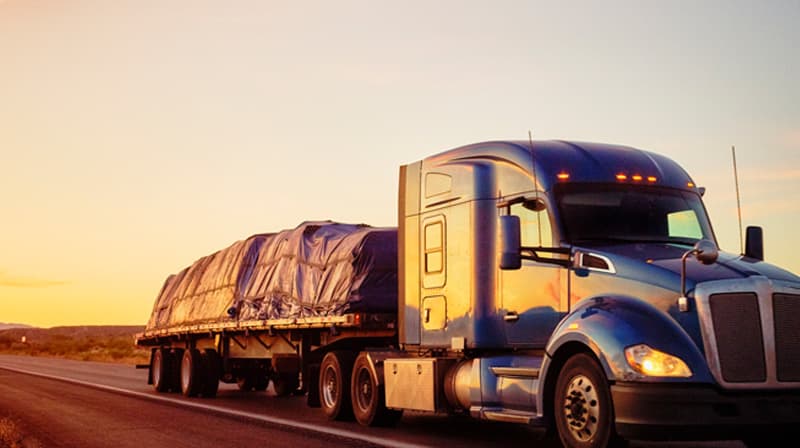
- Refrigerated truckload, flat deck for inputs
- Equipment
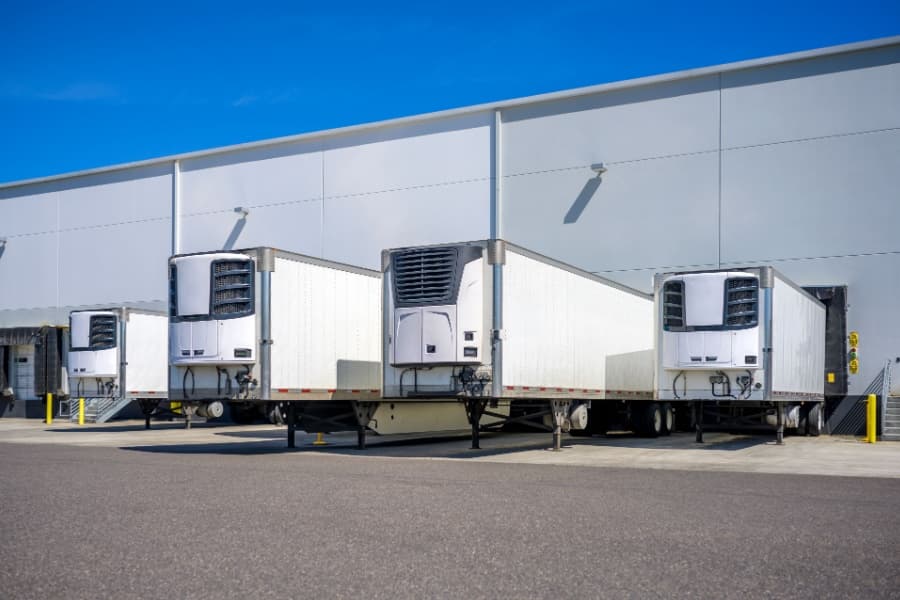
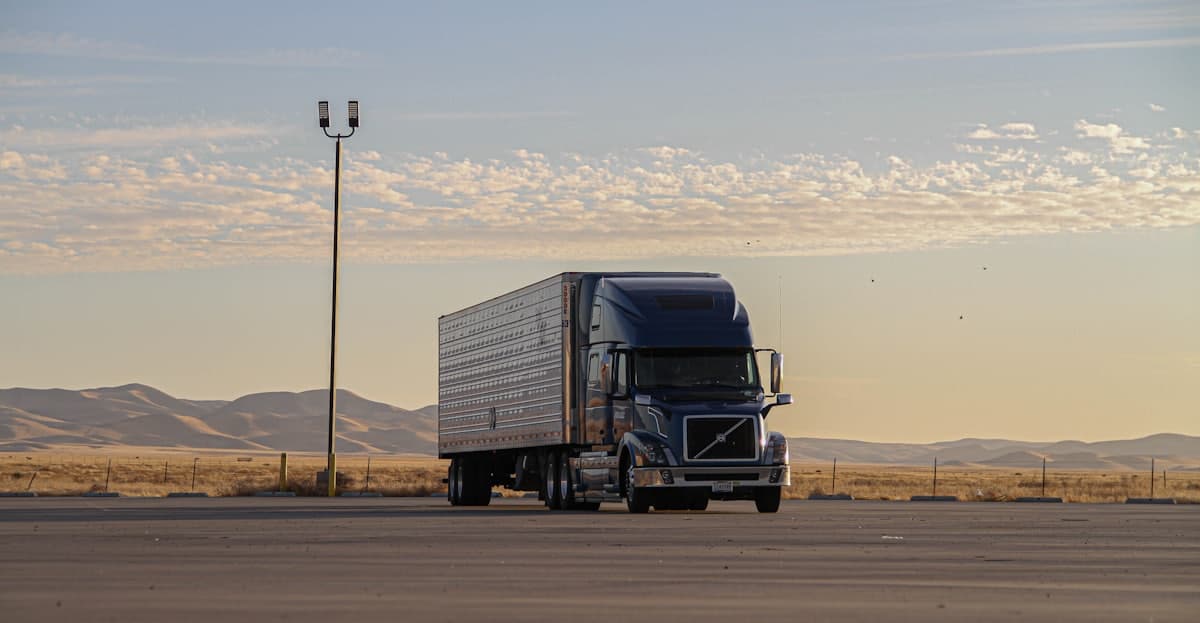
- Reefer, dry van, flat deck
- Handling
- Frequently yard-level rather than dock-height
- What sets the schedule
- Harvest windows and market timing
The same sector covers very different shipping problems. These are the ones we see most, and the part of each that tends to decide how a load is planned.
- 01
Growers and greenhouses
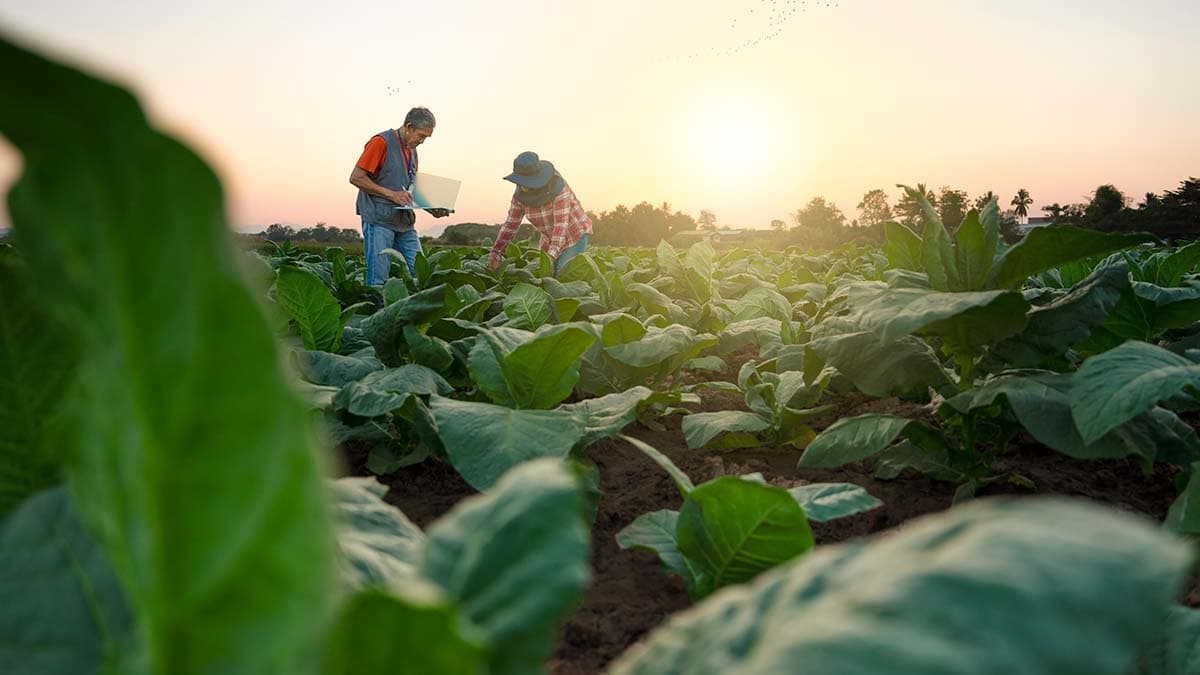
Product going out at the pace the crop dictates. Pickups are often at the farm rather than a dock, and volume can triple inside a fortnight.
- 02
Packers and shippers
Graded and packed product moving to distributors and across the border. This is where temperature control and paperwork start to matter as much as the truck.
- 03
Feed, seed and inputs
Inbound to the farm, on entirely different equipment than the crop leaves on. Often flat deck or bulk, and seasonal in the opposite direction.
- 04
Processors
Steady, year-round volume that is less seasonal than the growing side and easier to plan capacity around.
The things that decide whether a load in this sector lands well, and the details worth settling before it is booked rather than after.
- Capacity and rates move sharply through harvest windows
- Produce and greenhouse crops need temperature control from the first mile
- Farm pickups are often not loading docks, so how the trailer is loaded matters
- Feed, seed and inputs move on very different equipment than the crop does

What shippers in this sector ask before the first booking. If yours is not here, call dispatch and ask.
Yes, and it is much easier if the conversation starts before the crop is ready. Capacity in a growing region tightens exactly when every shipper in it needs a truck, and the shippers who come through a season well are the ones who booked ahead of it.
Not if we know beforehand. It changes the equipment and the time on site, both of which belong in the quote rather than surfacing when the driver arrives.
On refrigerated equipment with the customs paperwork filed before the truck reaches the crossing. Produce carries requirements beyond a general-freight load, so the commodity needs stating early.

Have freight to move? Let’s get it moving.
Tell us what you are shipping, where it is going, and when it needs to move. We will take it from there.