TEMP
Refrigerated Trucking and Temperature-Controlled Freight
Temperature-controlled trailers for produce, food and beverage, and any freight that has to hold a set range in transit.
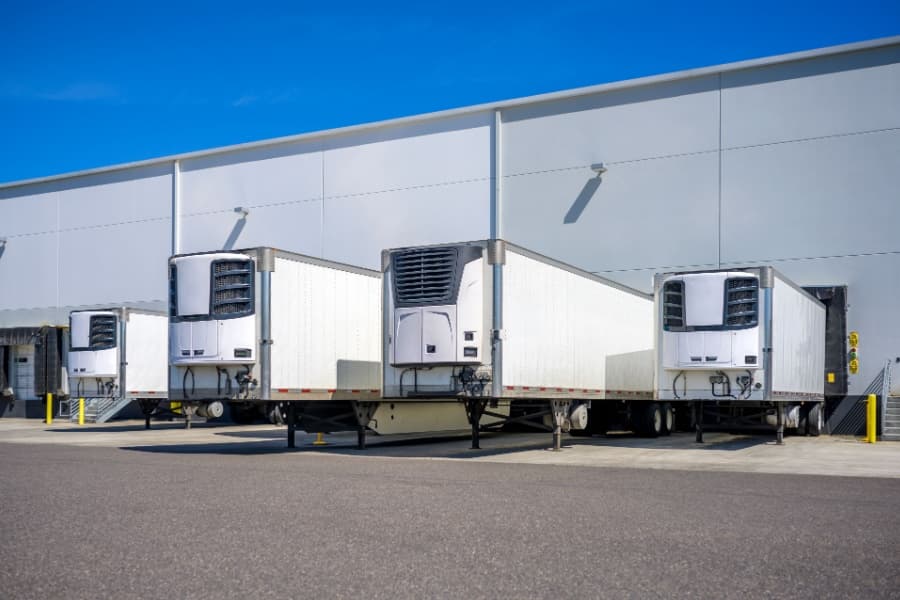
A refrigerated trailer runs a set point for the length of the trip, whether that means keeping produce cold out of the Fraser Valley or keeping a load from freezing on a January run through the Prairies. Reefer work turns on getting details right up front: the set point, whether the unit runs continuous or start-stop, and pre-cooling before the freight is loaded.
What you get
- Single and multi-temp capability
- Food-grade certified carriers
- Continuous temperature monitoring
- Pharma-grade cold chain available
Reach for it when
- The freight has a temperature range it must hold
- Product is perishable and delivery windows are tight
- A load needs protection from freezing in winter
- The receiver requires temperature records on arrival
What we need to quote it
- Required temperature and whether the unit runs continuous or start-stop
- Commodity, weight and pallet count
- Pickup and delivery postal codes, ready and delivery dates
- Whether the trailer needs pre-cooling before loading
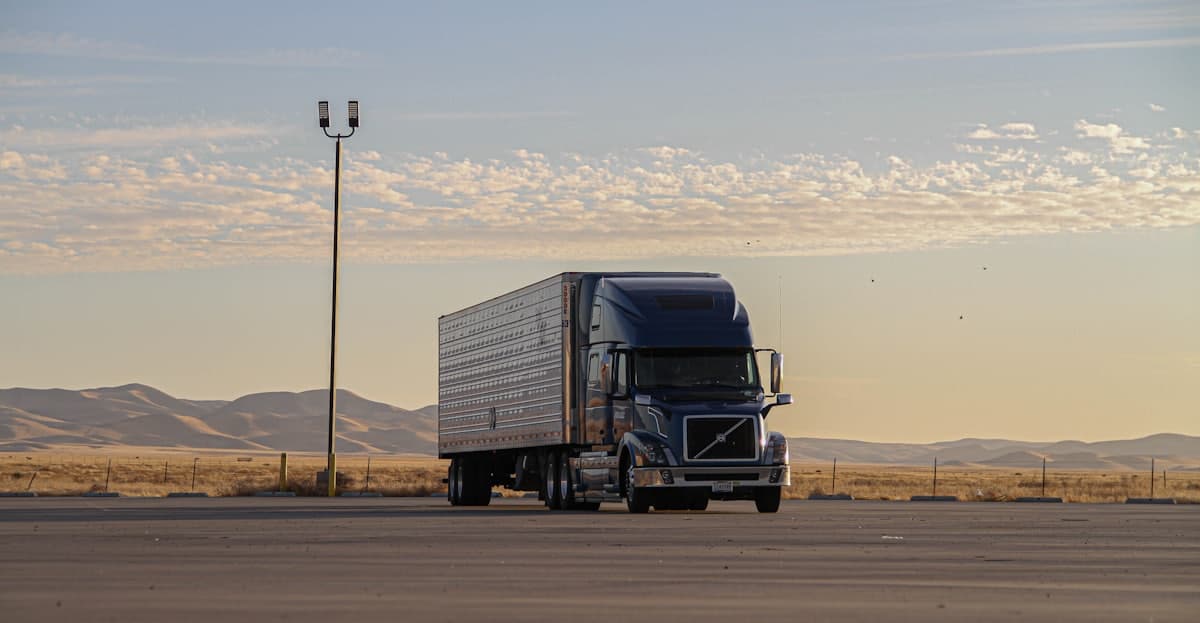 FTLFull TruckloadDedicated trailer capacity for shipments that fill a trailer, or that need to travel direct with no transfers along the way.
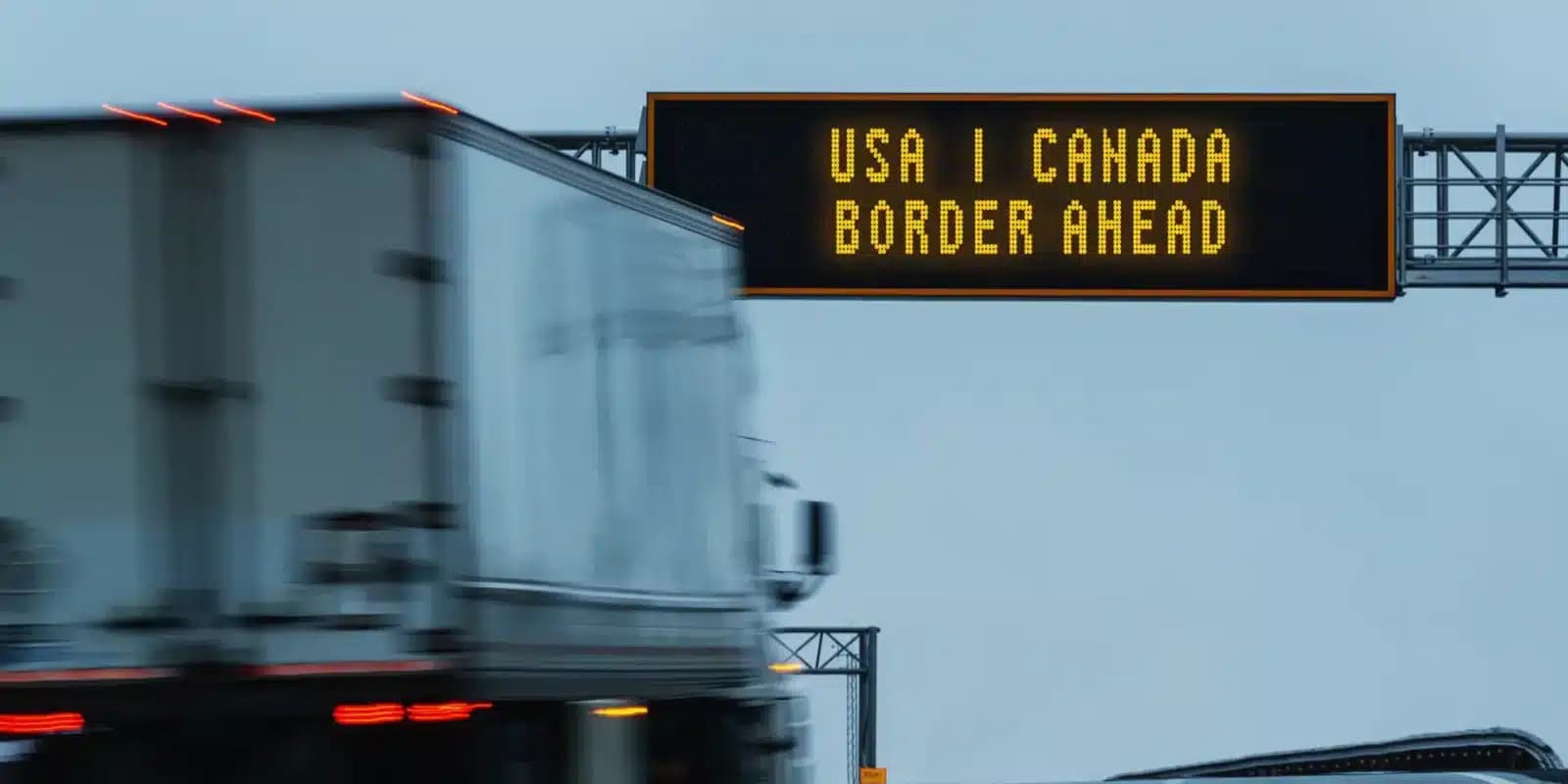 CA/USCross-BorderCanada to U.S. and U.S. to Canada moves, coordinated with the carrier and your customs broker so paperwork is ready at the line.
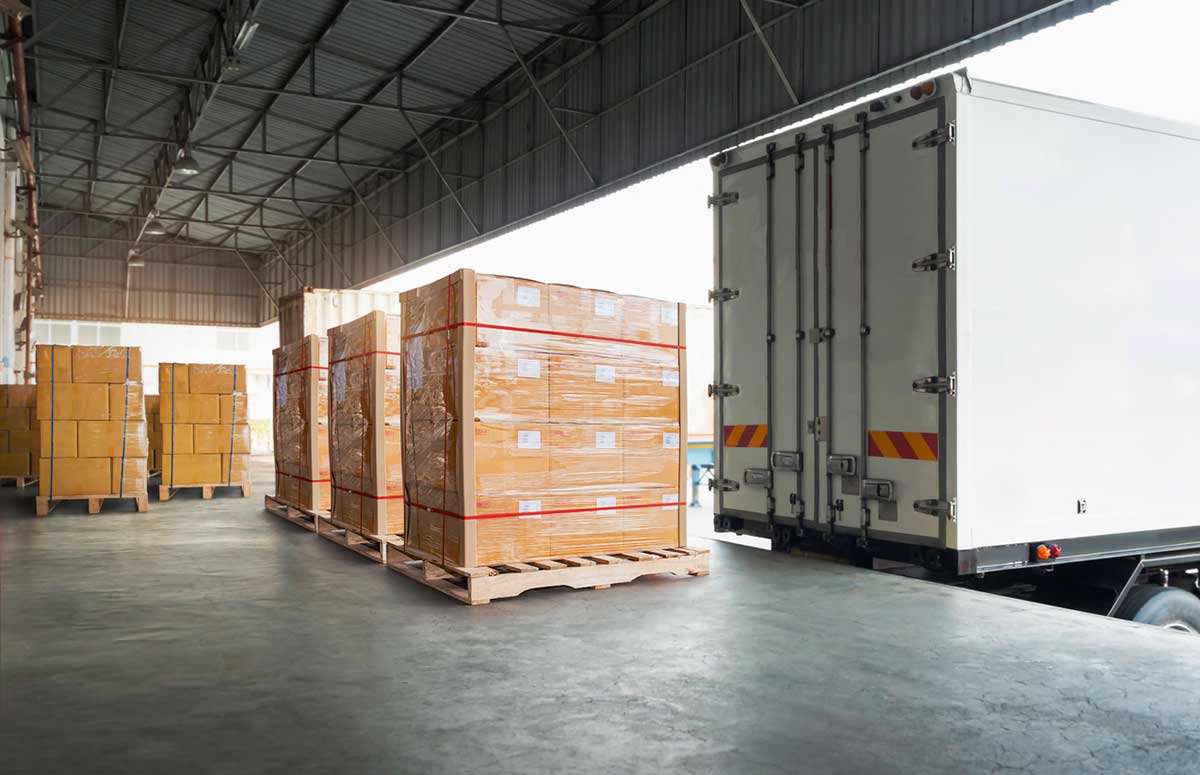 LTLLTLLess-than-truckload capacity for palletized freight that does not need a full trailer, moved on consolidated line-haul.
The questions shippers ask before booking this service. If yours is not here, call dispatch and ask.
You do. It depends on the product, not the trailer. Give us the required range and whether the load runs continuous or cycle, and it goes on the bill of lading so the driver is working from the same number you are.
No, and this is the most expensive misunderstanding in refrigerated freight. A reefer maintains a temperature; it does not pull warm product down to one. Freight has to be at its required temperature before it is loaded, which means pre-cooling it on your side.
Yes, if you ask at booking. Grocery, food service and pharmaceutical receivers increasingly require them, and they are far easier to arrange in advance than to reconstruct after a load has been rejected.
It can, and occasionally it is the right answer when a reefer is repositioning anyway. It costs more than a dry van, so it is worth asking about rather than assuming either way.

Have freight to move? Let’s get it moving.
Tell us what you are shipping, where it is going, and when it needs to move. We will take it from there.