Industries
Consumer Goods Freight and Fulfilment
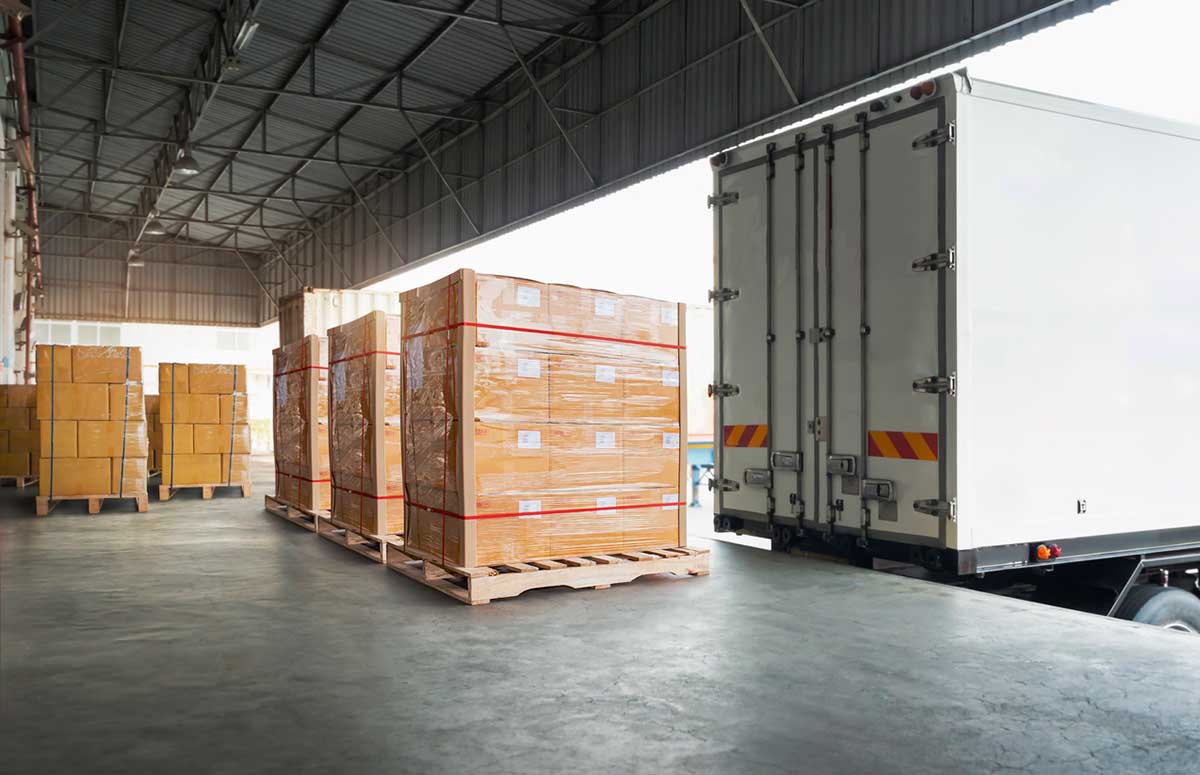
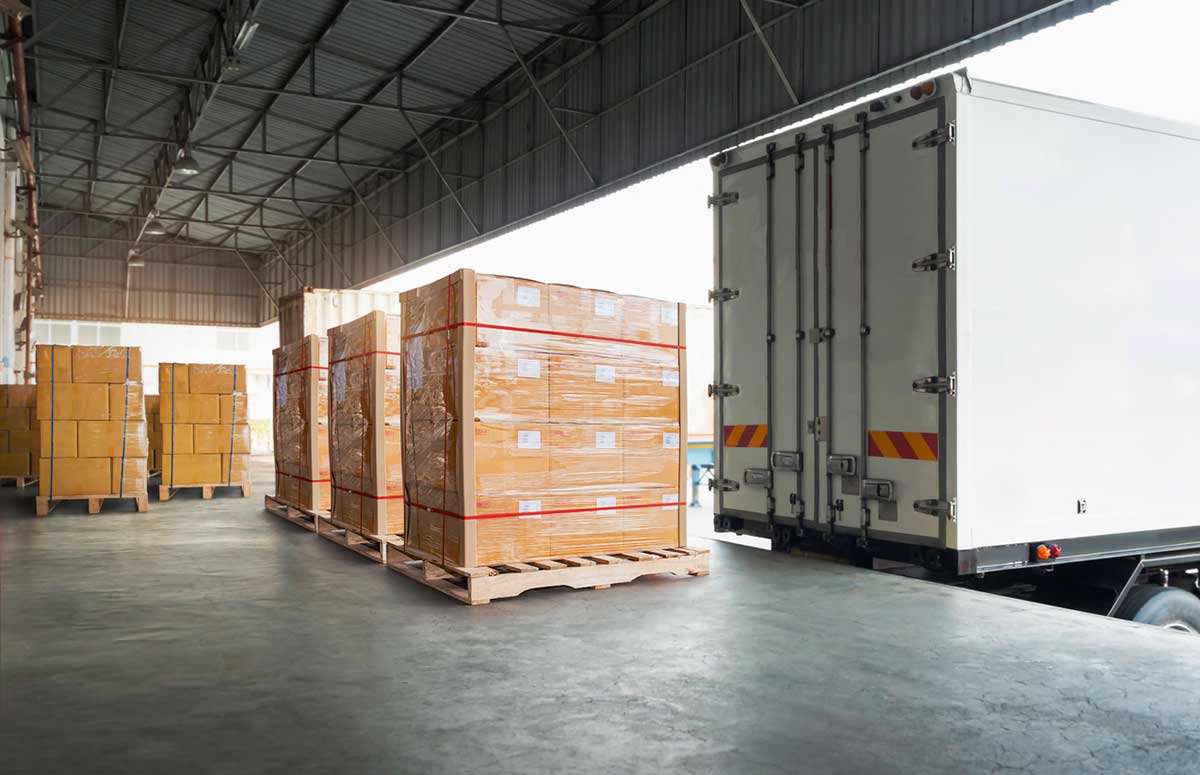
Packaged goods are handled more than most freight. Between a co-packer and a shelf a pallet may be picked up, transferred, cross-docked and delivered, and every one of those touches is a chance for a carton to be crushed. Packaging and palletization do more to decide whether the load arrives intact than the carrier does.
Consumer Goods freight profile
Typically ships
Packaged product moving from manufacturers and co-packers into fulfilment and retail channels.
What tends to matter
Handling and promotional timing. Packaged goods are handled repeatedly in LTL, and a launch or promotion date does not move because a truck did.
- Typical mode
- LTL, consolidated truckload, cross dock
- Equipment
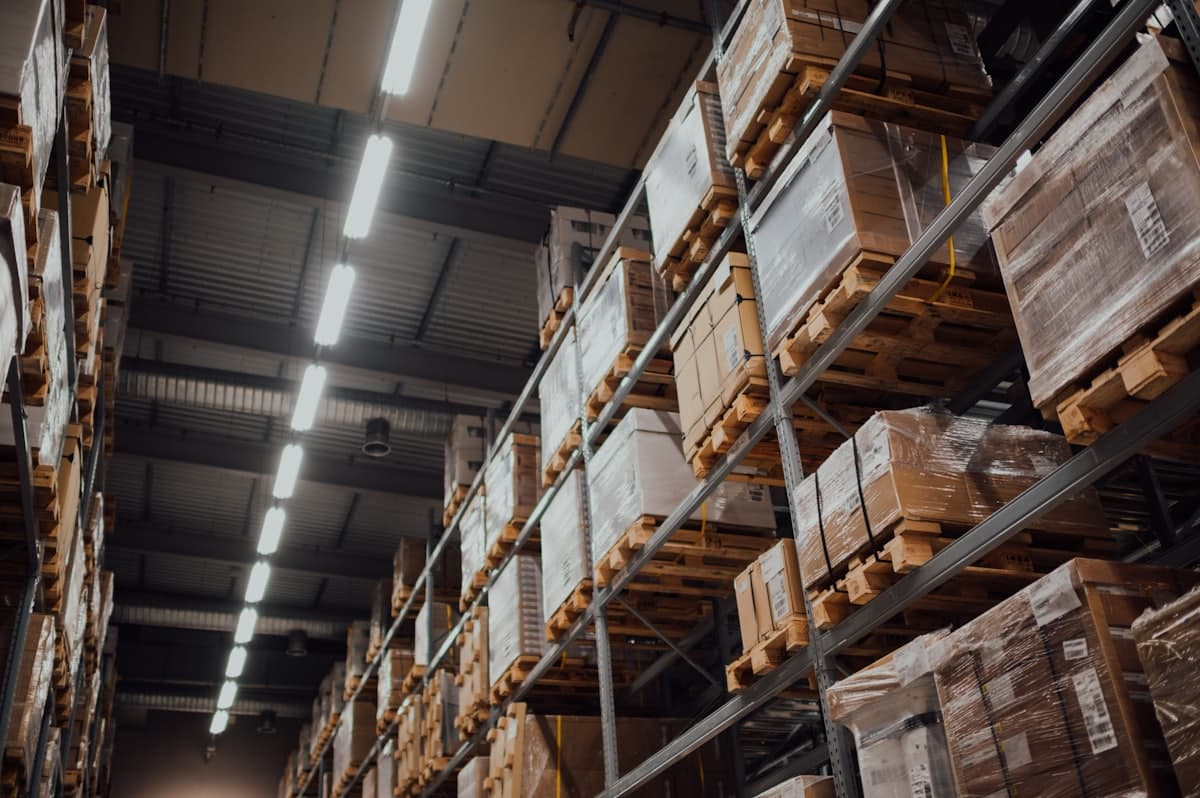
- Dry van; storage and staging alongside
- Handling
- Palletized, shrink-wrapped, handled repeatedly
- What sets the schedule
- Launch dates and fulfilment windows
The same sector covers very different shipping problems. These are the ones we see most, and the part of each that tends to decide how a load is planned.
- 01
Manufacturers and co-packers
Finished packaged product leaving the line, usually palletized and usually heading into a distribution or fulfilment network rather than straight to a store.
- 02
Fulfilment and e-commerce
Into centres with their own receiving rules and windows. Volume is spiky around promotions, and packaging takes a beating in the network.
- 03
Retail and wholesale channels
Into buyers who have their own compliance requirements. Same product, entirely different paperwork than the fulfilment channel.
- 04
Product launches and promotions
A hard date and a fixed quantity. The freight is ordinary; the consequence of it being late is not.
The things that decide whether a load in this sector lands well, and the details worth settling before it is booked rather than after.
- Every LTL transfer is another handling point, so packaging earns its keep
- Launch and promotion dates do not move because a truck did
- Accurate dimensions and freight class keep the invoice from being reweighed
- Fulfilment centres have their own receiving rules and windows
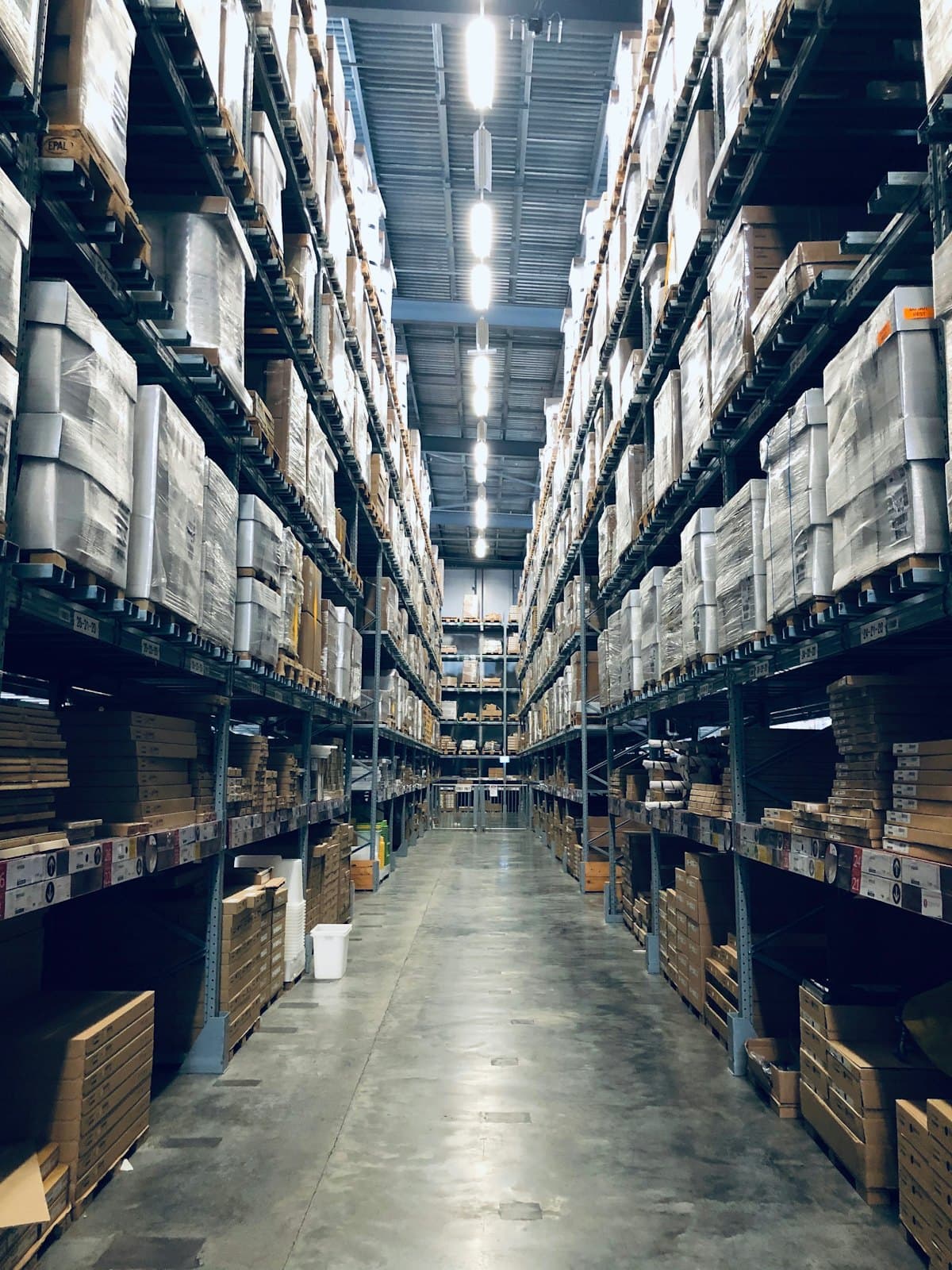
What shippers in this sector ask before the first booking. If yours is not here, call dispatch and ask.
Packaging, in most cases. Between a co-packer and a shelf a pallet may be picked up, transferred, cross-docked and delivered, and every touch is a chance for damage. Shrink-wrapped, nothing overhanging the pallet, heaviest cartons on the bottom does more than the carrier can.
Accurate dimensions and an accurate freight class on the bill of lading. Carriers measure and weigh, and an inaccurate declaration is the single most common reason an LTL invoice comes back higher than the quote.
Yes. Holding product close to its destination and releasing it on the date is usually cheaper and far less risky than trying to time a long-haul arrival to a launch day.

Have freight to move? Let’s get it moving.
Tell us what you are shipping, where it is going, and when it needs to move. We will take it from there.