Equipment and coverage
Transportation built around your freight.
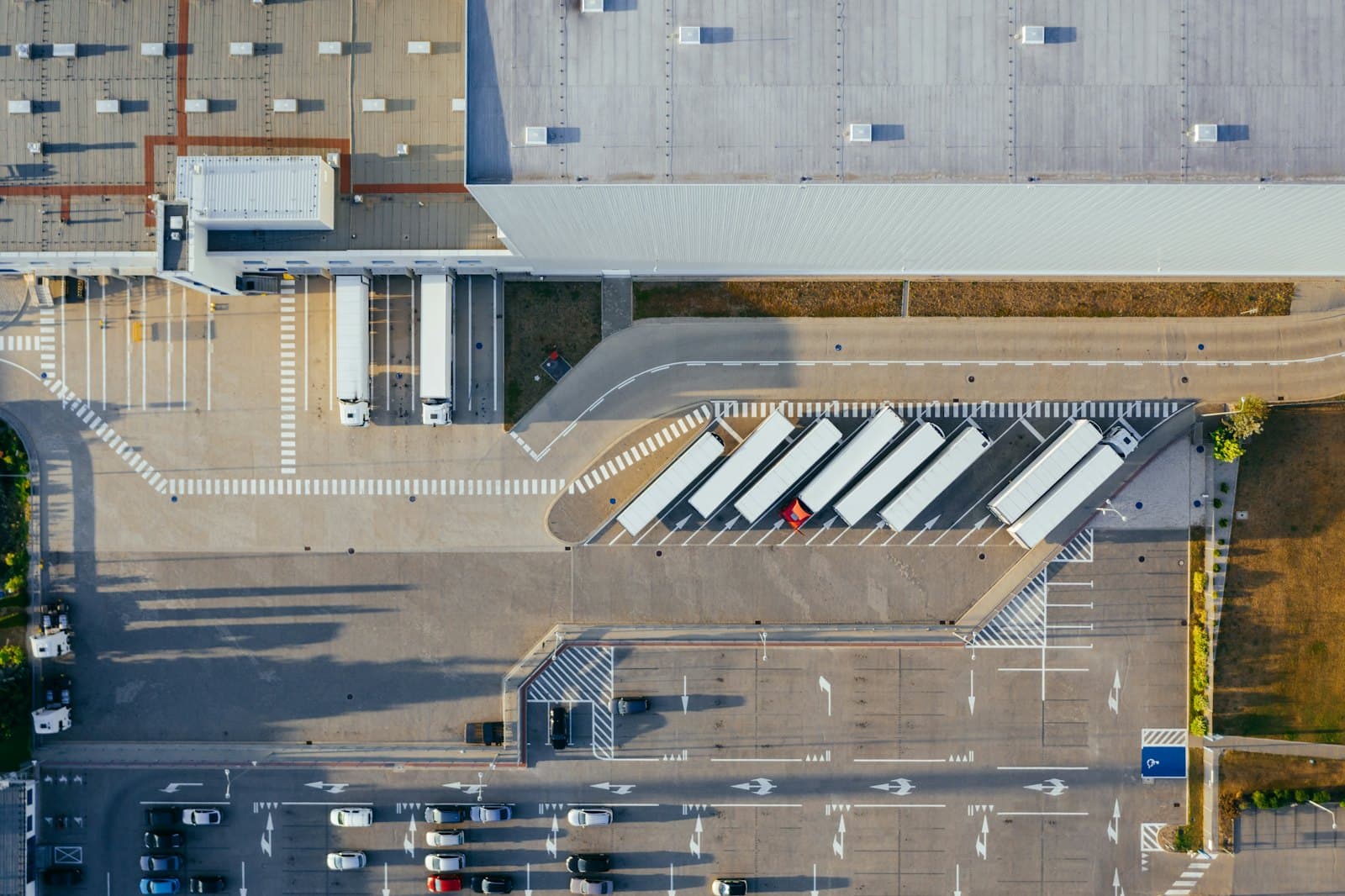
Klutch sources the equipment your shipment actually needs, from a full trailer running direct to a few pallets on consolidated line-haul.
FTL
Full Truckload
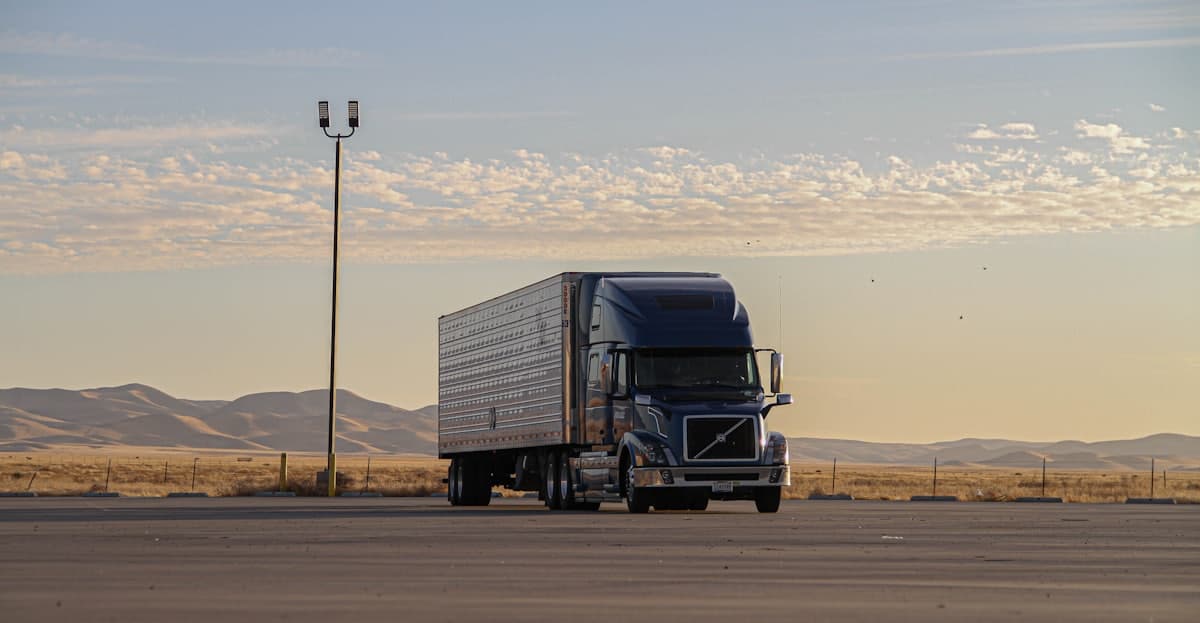
One shipment, one trailer, one driver from pickup to delivery. Because the freight is never transferred between terminals, transit is shorter and there is less handling for the load to go wrong in. Truckload is usually the answer once a shipment passes roughly ten pallets, and often the better answer well before that when the freight is fragile, high value, or on a tight delivery window.
- Dedicated truckload capacity
- Coast-to-coast Canadian coverage
- Direct transit with no transfers
- Real-time shipment tracking
LTL
LTL
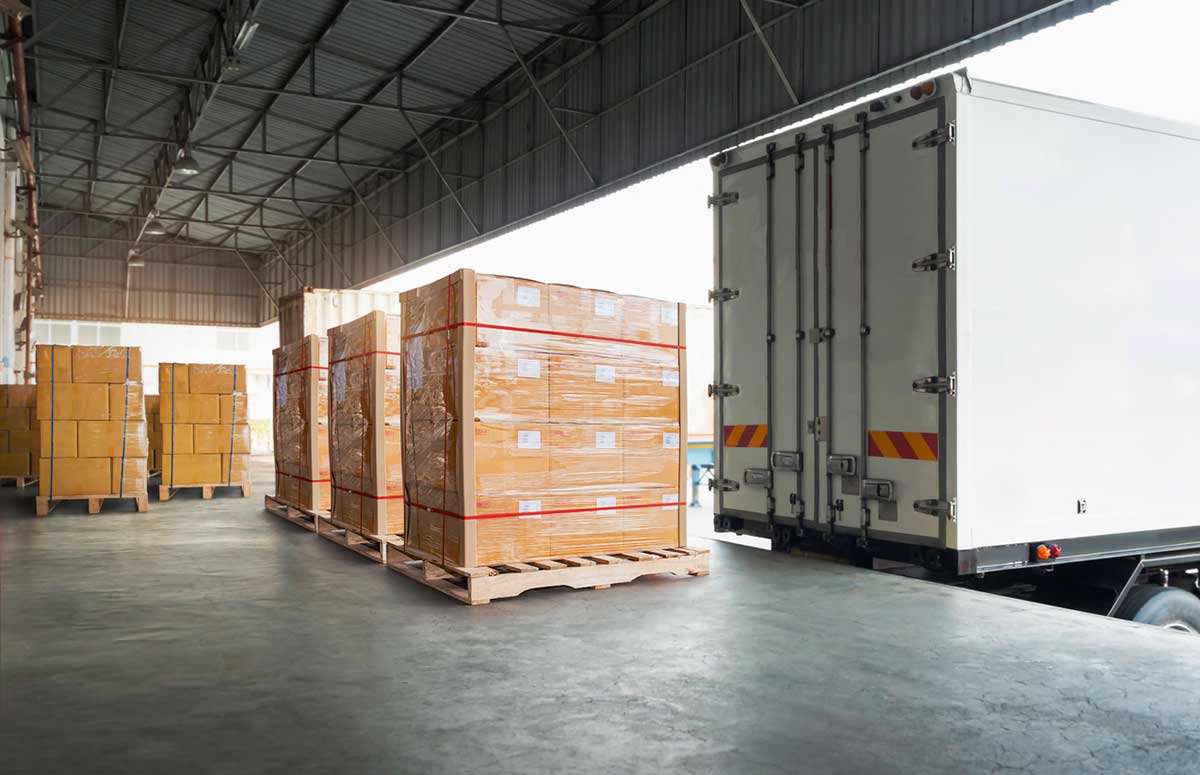
Your pallets share a trailer with freight from other shippers and move across a carrier's line-haul network. You pay for the space you use rather than the whole trailer, which is the economical choice for smaller shipments. The trade-off is handling: LTL freight is transferred at terminals along the way, so packaging and accurate freight class matter more than they do on truckload.
- Competitive consolidated rates
- Coast-to-coast Canadian coverage
- Pay for the space you use
- Real-time shipment tracking
VAN
Dry Van
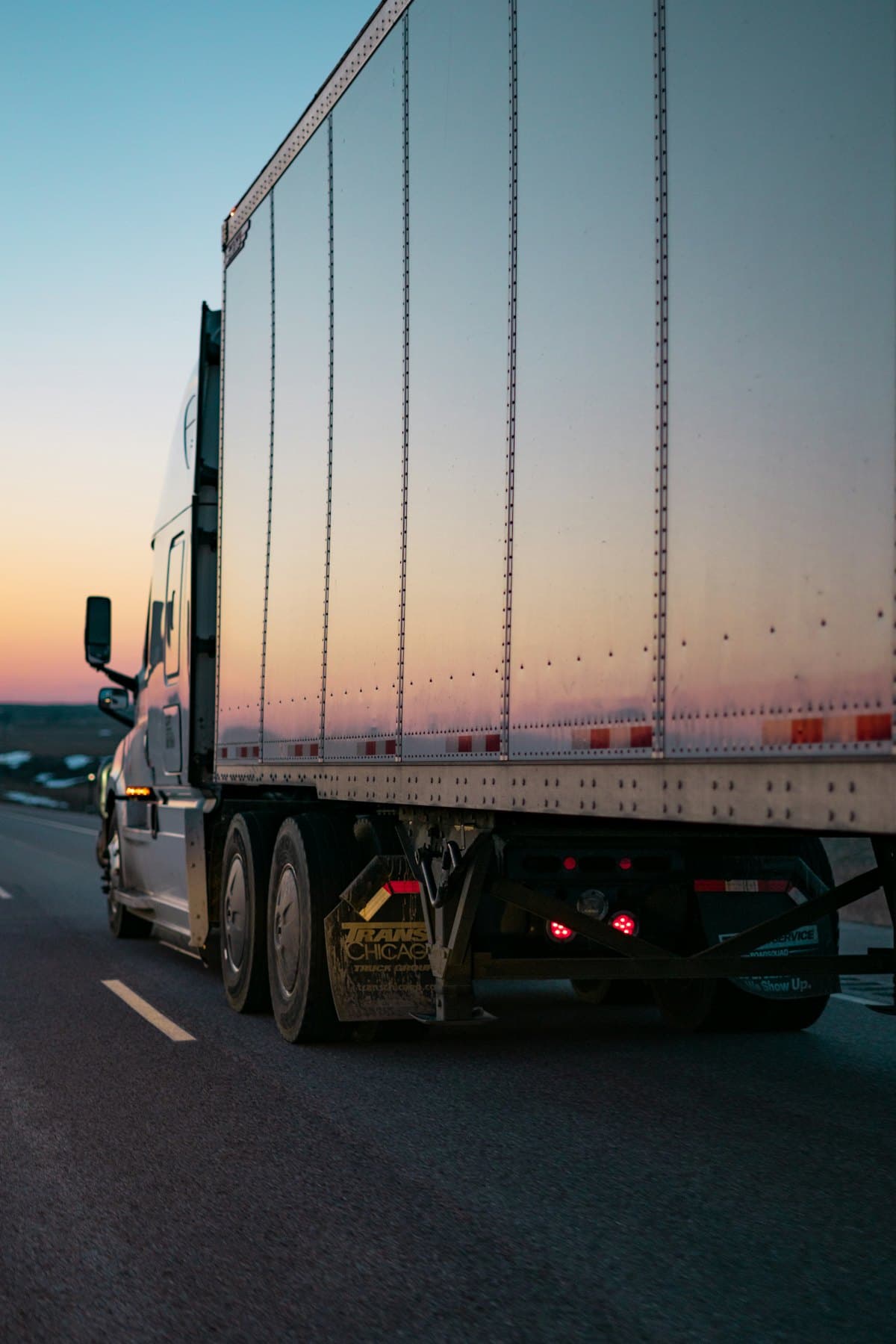
The enclosed 53-foot trailer that carries the majority of freight on the road. It keeps the load dry and secure without temperature control, which makes it the default for packaged goods, palletized product, and anything that does not need heat, cooling or open-deck access.
- 53-foot enclosed trailer capacity
- Palletized and packaged freight
- Dock-to-dock or liftgate delivery
- Real-time shipment tracking
TEMP
Reefer
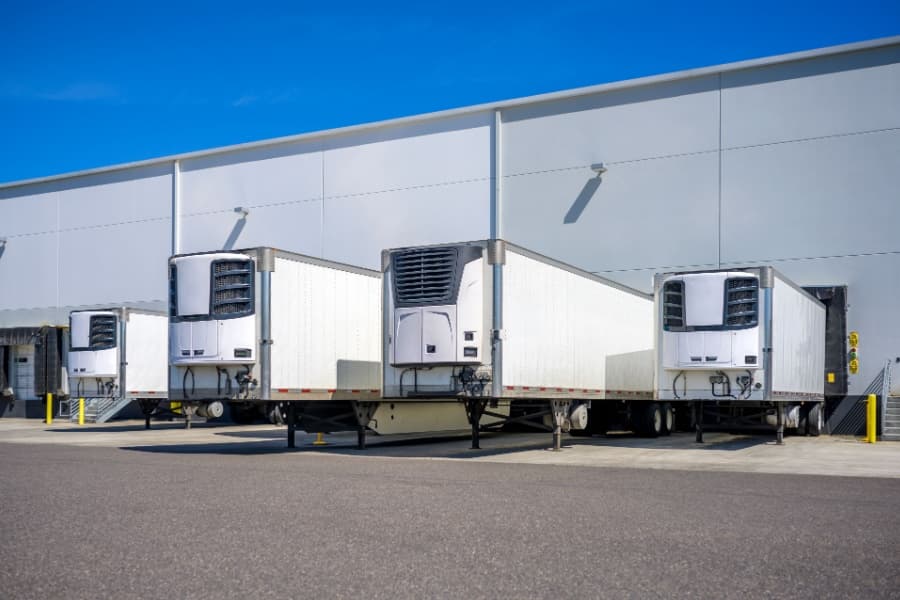
A refrigerated trailer runs a set point for the length of the trip, whether that means keeping produce cold out of the Fraser Valley or keeping a load from freezing on a January run through the Prairies. Reefer work turns on getting details right up front: the set point, whether the unit runs continuous or start-stop, and pre-cooling before the freight is loaded.
- Single and multi-temp capability
- Food-grade certified carriers
- Continuous temperature monitoring
- Pharma-grade cold chain available
DECK
Flatbed / Specialized
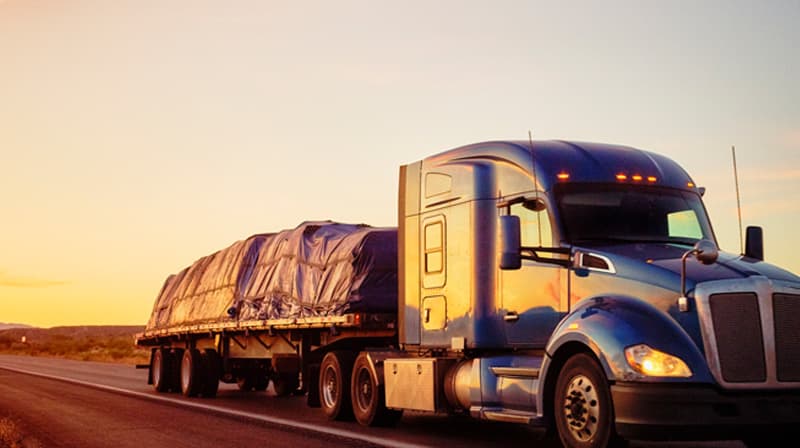
Open-deck equipment for freight that has to be loaded from the side or overhead, or that is simply too tall for a van. Flat deck handles lumber, steel, and building materials; step deck adds height clearance for machinery; and loads that run over legal dimensions move on permits with the routing arranged in advance.
- Flatbed, step-deck and RGN equipment
- Oversize permitting assistance
- Pilot car coordination
- Heavy haul specialists

B-TRAIN
Super B
A Super B, or B-train, is two semi-trailers coupled through a fifth wheel mounted on the lead trailer, usually running eight axles. Federal and provincial limits allow a maximum gross combination weight of 63,500 kg, an overall length of 27.5 m, 2.6 m wide and 4.15 m high, with the two trailers' wheelbases summing to no more than 17.0 m. Against a single 53-foot trailer capped nearer 36,000 kg gross, that is a large step up in payload, and on dense freight it is the difference between two trips and one. The trade-off is access: the combination is long, it needs room to turn and to load, and the heaviest weights are permitted only on designated routes.
- Up to 63,500 kg gross combination weight
- Two coupled trailers, typically eight axles
- Fewer trips for the same tonnage
- Western Canada bulk and heavy freight lanes
CA/US
Cross-Border
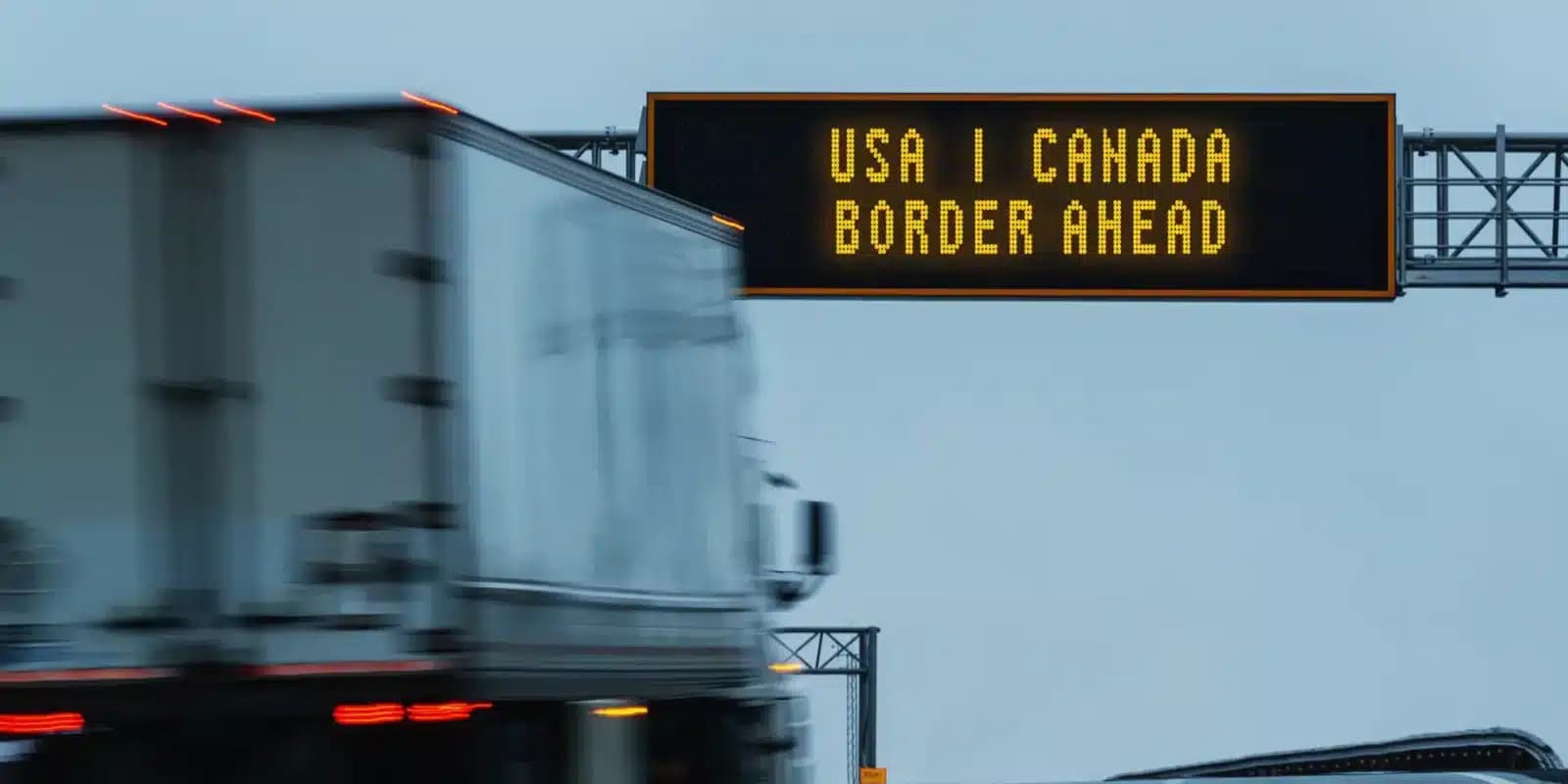
Southbound and northbound freight, with the border treated as a planned step rather than a surprise. We line up the carrier's authority and bonding, make sure the commercial invoice and any certificates reach your customs broker before the truck arrives at the crossing, and pick the port of entry that suits the lane. Most cross-border delays come from paperwork that arrived late, not from the crossing itself.
- Full customs documentation support
- PAPS, PARS, ACE and ACI compliant
- Trusted border crossing carriers
- Proactive issue resolution
RAIL
Intermodal
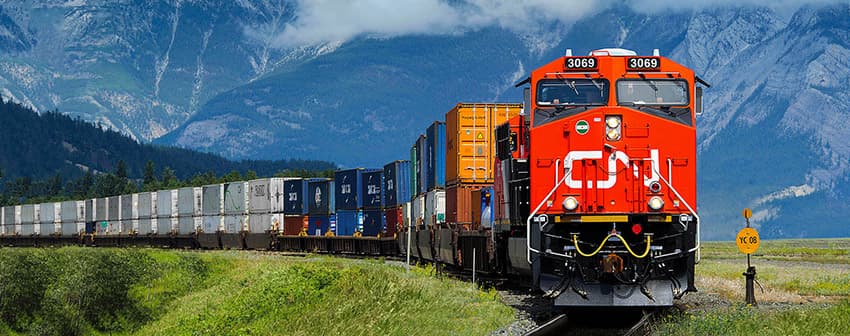
On a long lane, rail costs less per mile than running a truck the whole way and burns a fraction of the fuel. Klutch arranges the drayage at both ends and the rail move in between, so a shipment leaves your dock on a truck, spends the long middle on a train, and arrives on a truck. It trades a day or two of transit for a materially lower rate, which suits freight that ships in volume and is not urgent.
- Rail line-haul with truck drayage at both ends
- Lower cost per mile on long lanes
- Reduced emissions per shipment
- Container tracking end to end

DG
Hazmat & Dangerous Goods
Dangerous goods are not a surcharge on an ordinary load; they are a different shipment. The carrier needs certification for the class, the driver needs current training, the trailer needs correct placarding, and the paperwork has to match what is actually on it. Klutch matches the shipment to a carrier approved for that class and confirms the documentation before dispatch, including on cross-border moves where Canadian TDG and U.S. hazmat rules both apply.
- TDG and U.S. hazmat compliant carriers
- Correct placarding and documentation
- Drivers certified for the hazard class
- Cross-border dangerous goods handled

Have freight to move? Let’s get it moving.
Tell us what you are shipping, where it is going, and when it needs to move. We will take it from there.