RAIL
Intermodal Freight and Rail Drayage
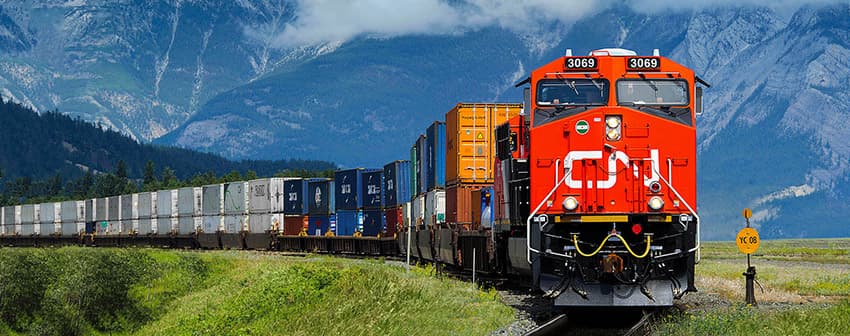
Containers moving by rail for the long middle of a lane, with trucks handling pickup and delivery at either end.
On a long lane, rail costs less per mile than running a truck the whole way and burns a fraction of the fuel. Klutch arranges the drayage at both ends and the rail move in between, so a shipment leaves your dock on a truck, spends the long middle on a train, and arrives on a truck. It trades a day or two of transit for a materially lower rate, which suits freight that ships in volume and is not urgent.
What you get
- Rail line-haul with truck drayage at both ends
- Lower cost per mile on long lanes
- Reduced emissions per shipment
- Container tracking end to end
Reach for it when
- The lane is long enough for rail to beat trucking on cost
- Transit can flex by a day or two
- The freight ships in container-sized volume
- Lower emissions per shipment matter to your customers
What we need to quote it
- Origin and destination, and the nearest rail terminals to each
- Container size, total weight and commodity
- Ready date, and how firm the delivery window is
- Whether drayage is needed at one end or both
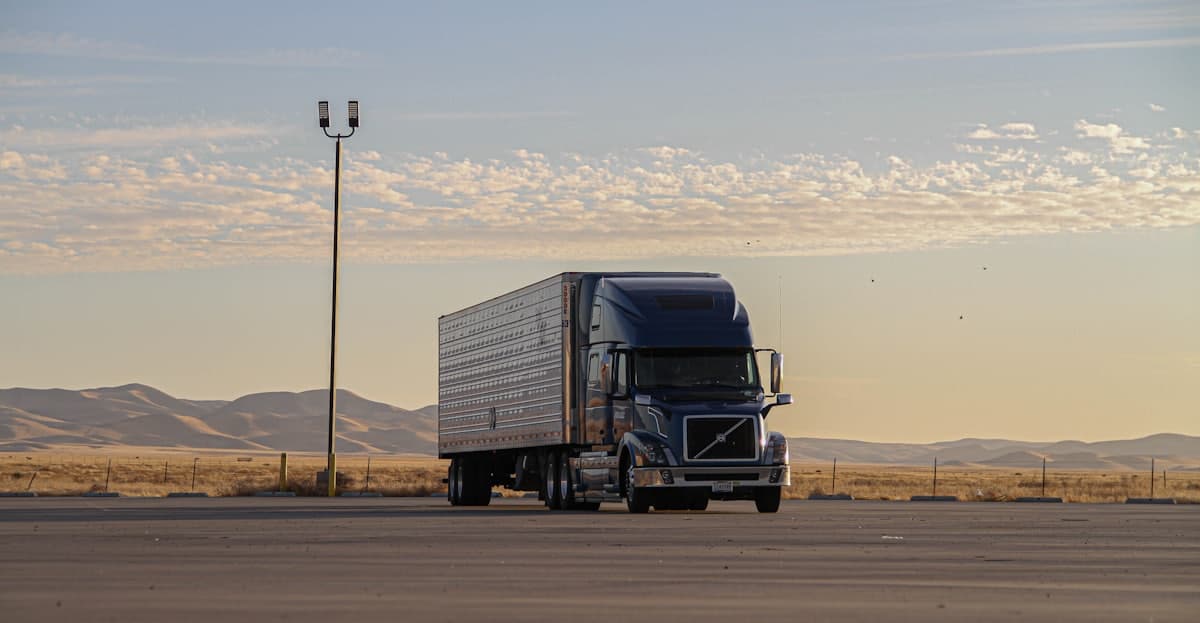 FTLFull TruckloadDedicated trailer capacity for shipments that fill a trailer, or that need to travel direct with no transfers along the way.
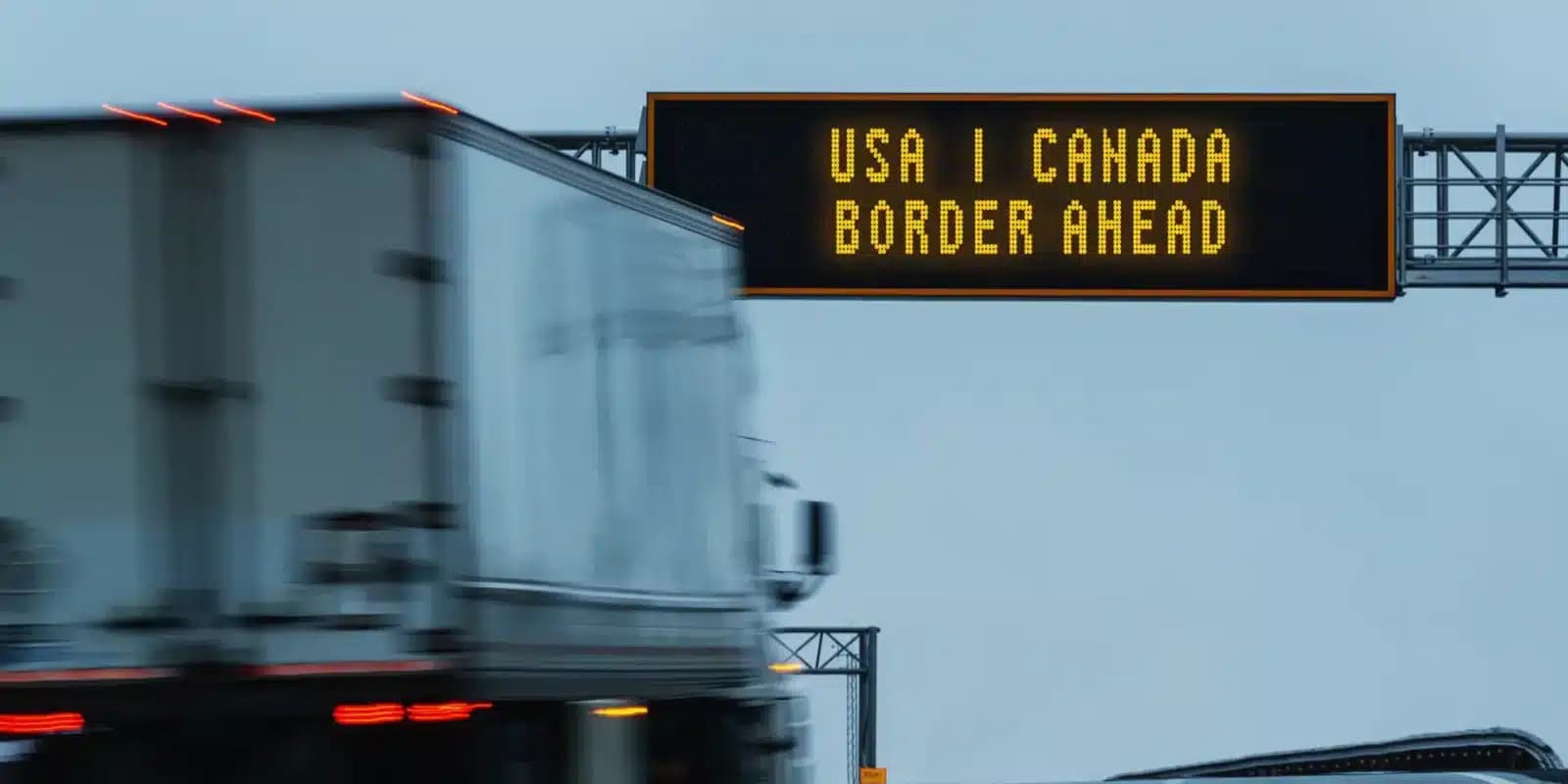 CA/USCross-BorderCanada to U.S. and U.S. to Canada moves, coordinated with the carrier and your customs broker so paperwork is ready at the line.
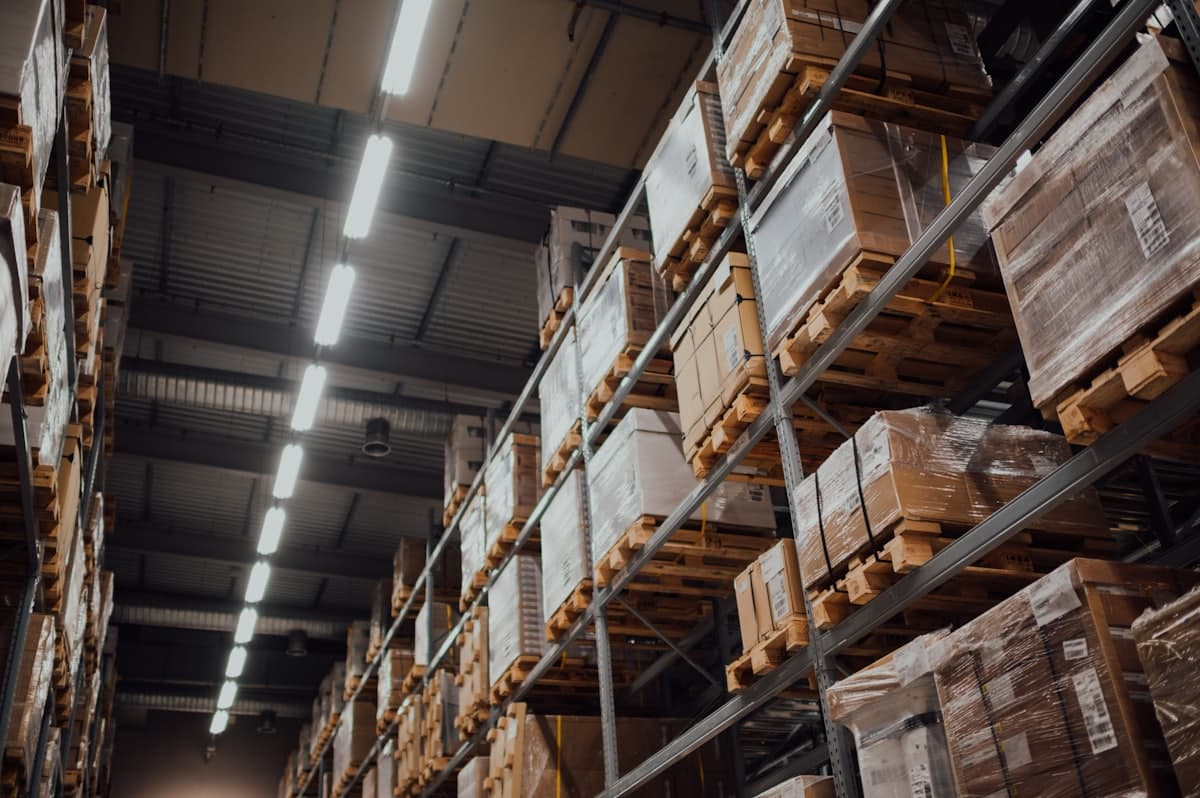 WHSEWarehousing & StorageShort and long-term storage for freight that is not moving yet, or not moving all at once, with handling in and out arranged alongside it.
The questions shippers ask before booking this service. If yours is not here, call dispatch and ask.
On long hauls, usually, because the rail leg costs less per mile than a truck does. The saving narrows on shorter lanes, where the drayage at each end is a larger share of the total, and it comes at the cost of transit time.
Typically a few days more than a straight truckload on a transcontinental move, and the schedule is less flexible because it is tied to rail departures rather than a driver's start time. It suits freight with a delivery window rather than a delivery date.
Durable, palletized, non-urgent freight moving a long distance. It is a poor fit for anything on a tight clock, anything fragile enough to mind the extra lifts, and short lanes where the drayage eats the saving.
The truck move between your dock and the rail terminal at one end, and between the terminal and the receiver at the other. It is part of what we quote, not a separate charge that appears later.

Have freight to move? Let’s get it moving.
Tell us what you are shipping, where it is going, and when it needs to move. We will take it from there.