Industries
Freight for Manufacturers
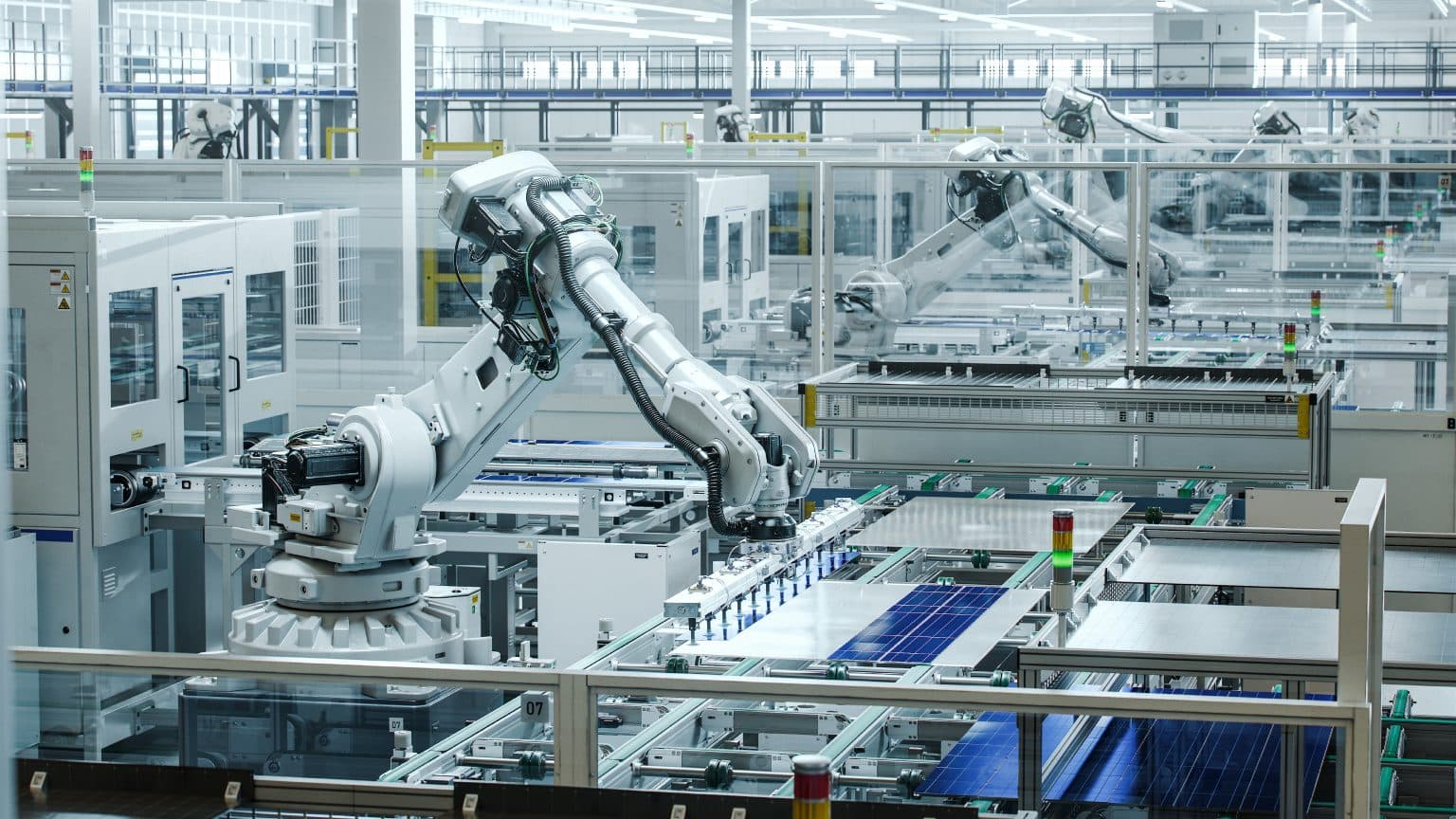
Manufacturing freight runs in two directions at once. Material and components come in against a production schedule, and finished goods go out against a customer promise. Both legs are judged on whether they arrived when they said they would, which is why manufacturers usually care more about a carrier's pickup discipline than about the last few dollars on a rate.
Manufacturing freight profile
Typically ships
Finished goods, components, and raw material moving between plants, suppliers and distribution centres.
What tends to matter
Production schedules do not flex. Inbound material that misses its window idles a line, so pickup reliability usually matters more than the rate on the load.
- Typical mode
- Truckload and LTL, flat deck for oversized
- Equipment
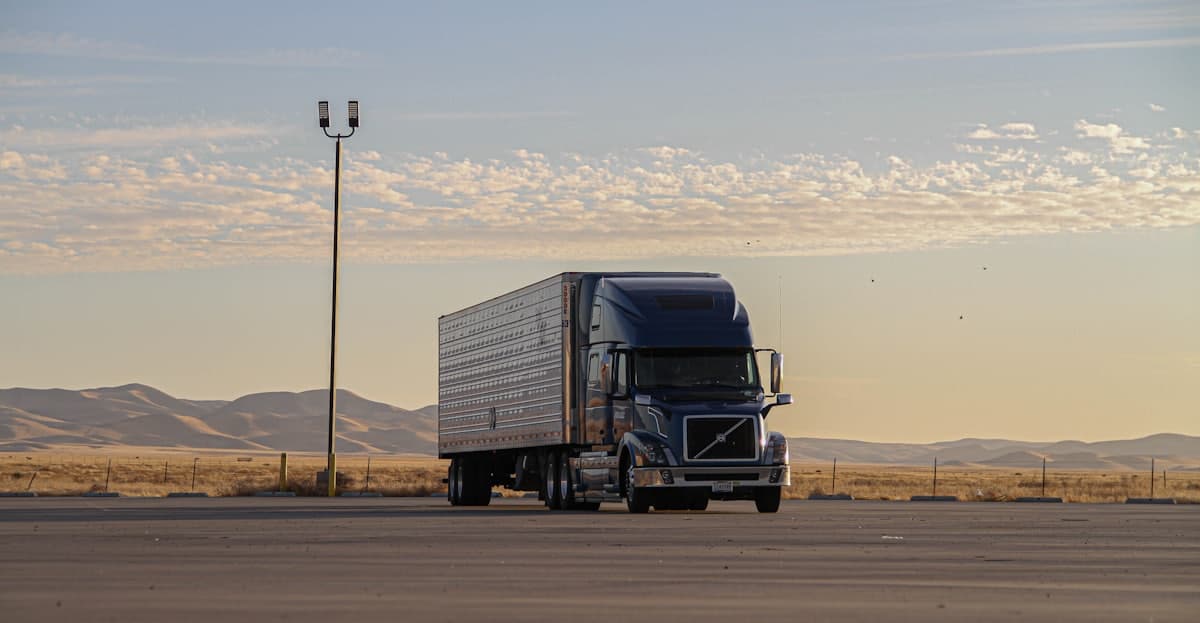
- Dry van, flat deck, step deck
- Handling
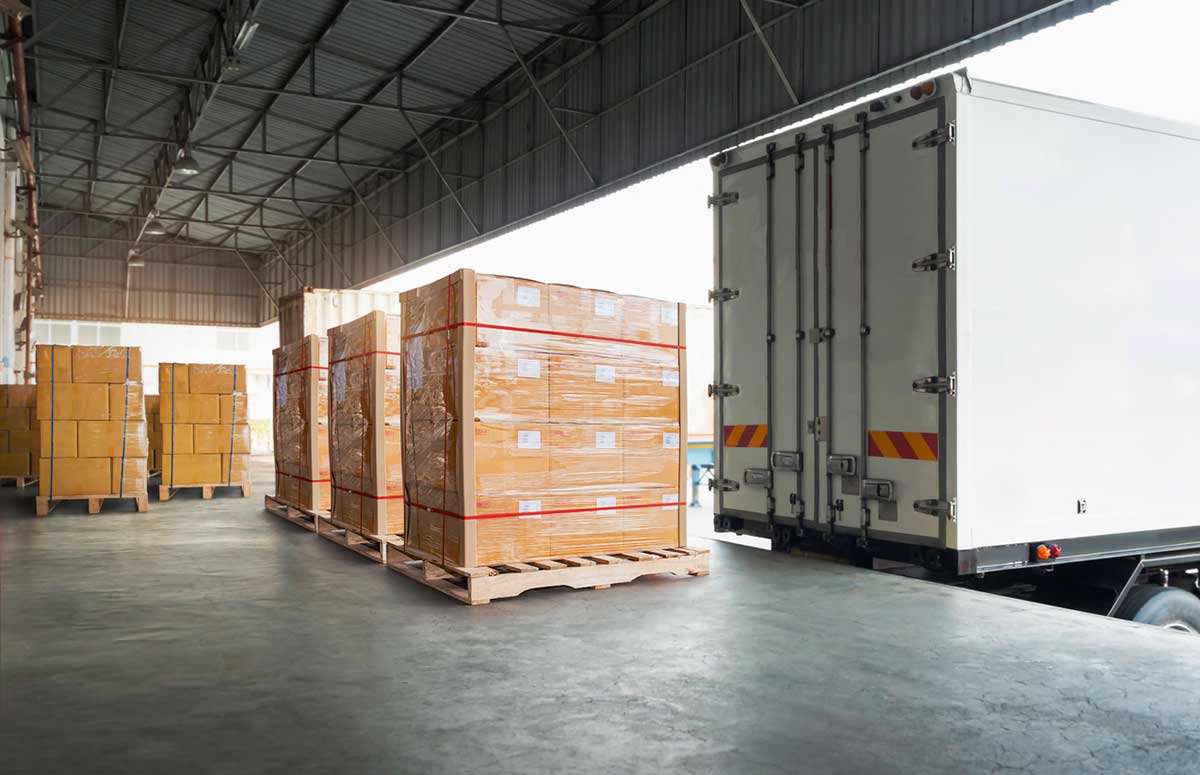
- Crated, skidded or on returnable racking
- What sets the schedule
- Production and plant receiving hours
The same sector covers very different shipping problems. These are the ones we see most, and the part of each that tends to decide how a load is planned.
- 01
Inbound material and components
Raw stock, castings, fasteners and sub-assemblies arriving against a production schedule. The freight is often heavy for its footprint and the window is set by the line, not by the carrier.
- 02
Outbound finished goods
Product leaving the plant for distributors, retailers or the next plant. Usually palletized, usually to an appointment, and frequently needing different equipment than the inbound leg did.
- 03
Plant-to-plant transfers
Work in progress moving between facilities in the same company. Nobody is waiting on an invoice, but everybody is waiting on the parts, so reliability matters more than rate.
- 04
Aftermarket and service parts
Smaller, more frequent shipments to service networks and depots. Almost always LTL, and the pattern is steady enough to be worth consolidating.
The things that decide whether a load in this sector lands well, and the details worth settling before it is booked rather than after.
- Inbound material that misses its window idles a line, and that cost dwarfs the freight bill
- Plant receiving hours are narrow, and a truck arriving outside them waits
- Component freight is often awkward: crated, skidded, or heavier than its footprint suggests
- Outbound finished goods frequently need different equipment than the inbound material did


What shippers in this sector ask before the first booking. If yours is not here, call dispatch and ask.
That is the normal ask in manufacturing and it is what the booking is built around. Give us the receiving hours and the appointment, and transit gets planned backwards from it rather than forwards from pickup.
Usually. A repeating lane with predictable volume is the easiest thing in freight to price properly, because the truck is not being sourced from scratch each time. Send a few months of history and we will look at it as a lane rather than as loads.
No, it changes the equipment. Anything past legal width or height moves on flat or step deck with permits, and the routing is planned around the load. Send dimensions and weight and it gets quoted like anything else.

Have freight to move? Let’s get it moving.
Tell us what you are shipping, where it is going, and when it needs to move. We will take it from there.