Industries
Freight for Wholesale and Distribution
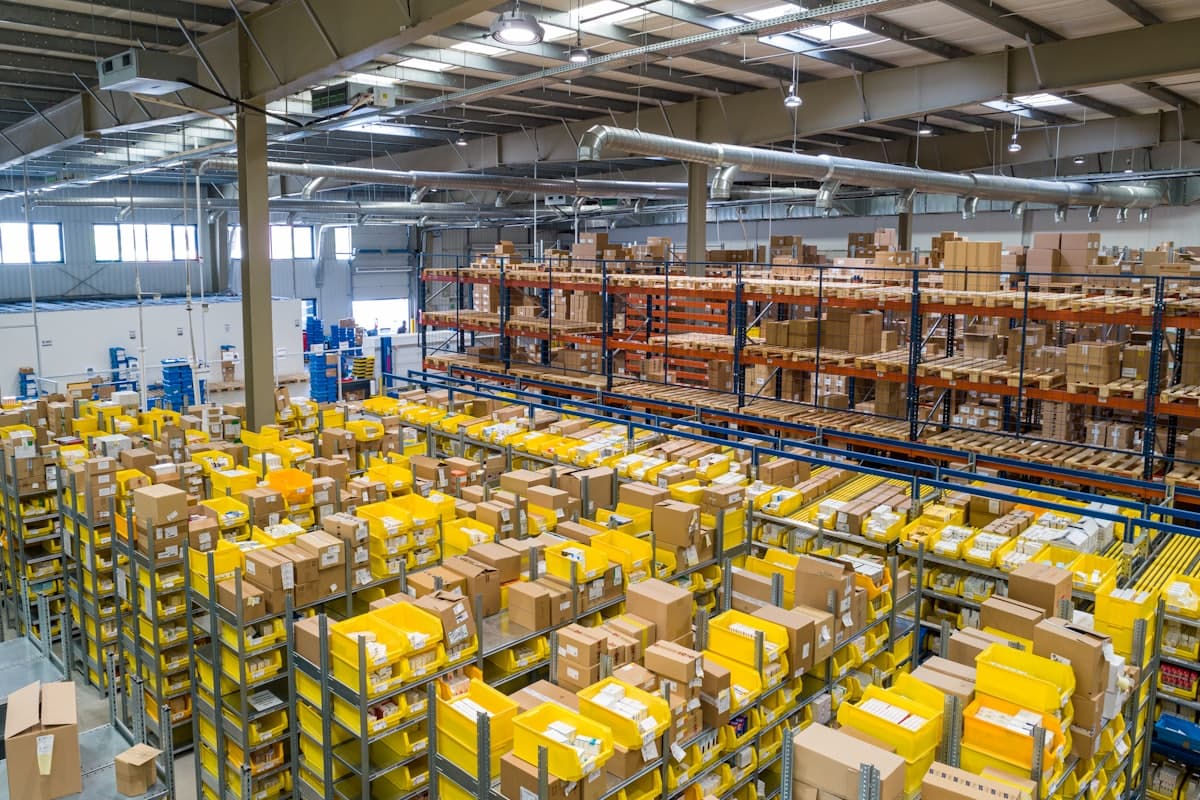
Distribution freight is a weekly arithmetic problem. The same lanes run again and again, and the question is whether this week's volume is cheaper as LTL, as a consolidated truckload, or held a day and combined with the next order. Getting that decision right repeatedly is worth more than a good rate on any single load.
Wholesale & Distribution freight profile
Typically ships
Mixed pallet freight moving from suppliers into distribution centres and back out to regional customers.
What tends to matter
Cost per pallet across a repeating lane. This is where the LTL and truckload decision gets made week to week, and where consolidating shipments pays off.
- Typical mode
- LTL and consolidated truckload
- Equipment
- Dry van; cross dock and storage alongside
- Handling
- Mixed pallets, high pallet counts
- What sets the schedule
- DC appointments and order cycles
The same sector covers very different shipping problems. These are the ones we see most, and the part of each that tends to decide how a load is planned.
- 01
Inbound to the distribution centre
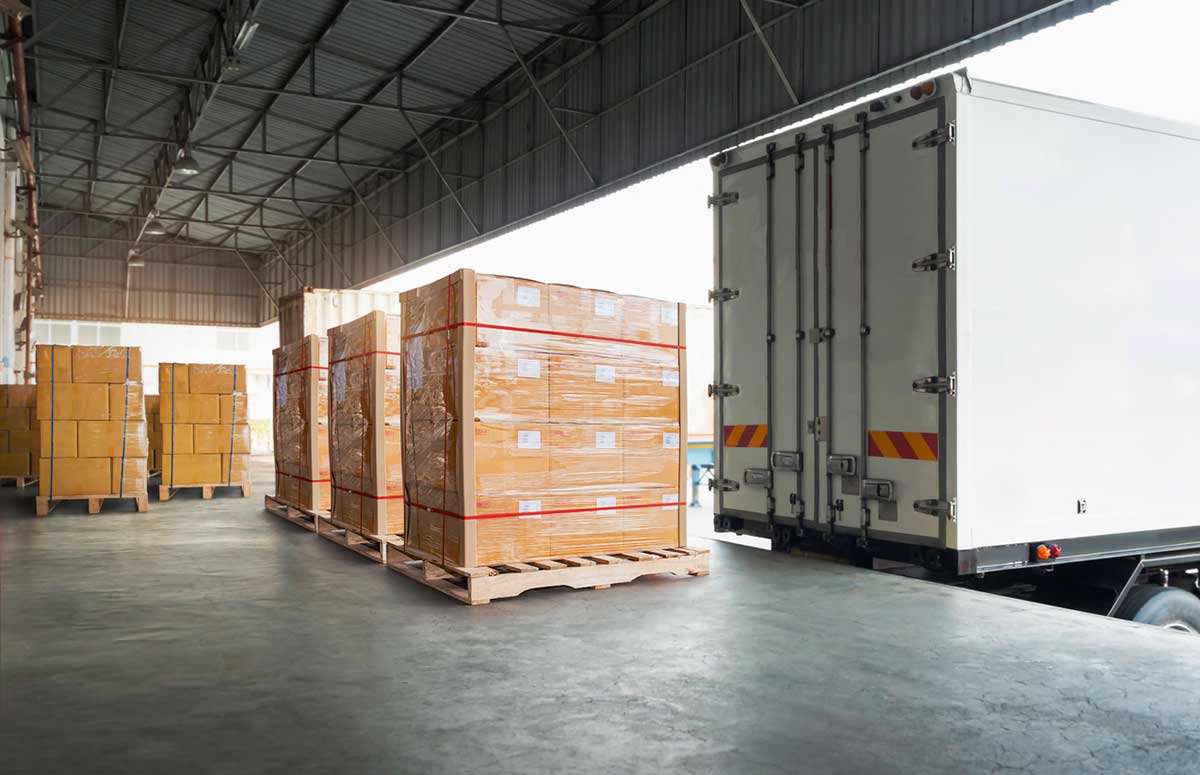
Supplier freight arriving in volume, against dock appointments and receiving hours. Consolidating several suppliers into one truckload is frequently the cheapest version of this.
- 02
Outbound to regional customers
Smaller, repeating drops across a territory. This is where the LTL and truckload decision gets made week to week.
- 03
Store and branch replenishment
Predictable volume on a fixed calendar, which makes it the easiest part of the sector to plan capacity for and the easiest to consolidate.
- 04
Returns and reverse flow
Freight coming back, usually mixed and usually unplanned. Cheap to move when it rides a truck that was going that way anyway.
The things that decide whether a load in this sector lands well, and the details worth settling before it is booked rather than after.
- Cost per pallet, not cost per load, is the comparison that matters
- Consolidating two smaller shipments often beats paying two LTL rates
- Distribution centre appointments and dock hours shape the schedule
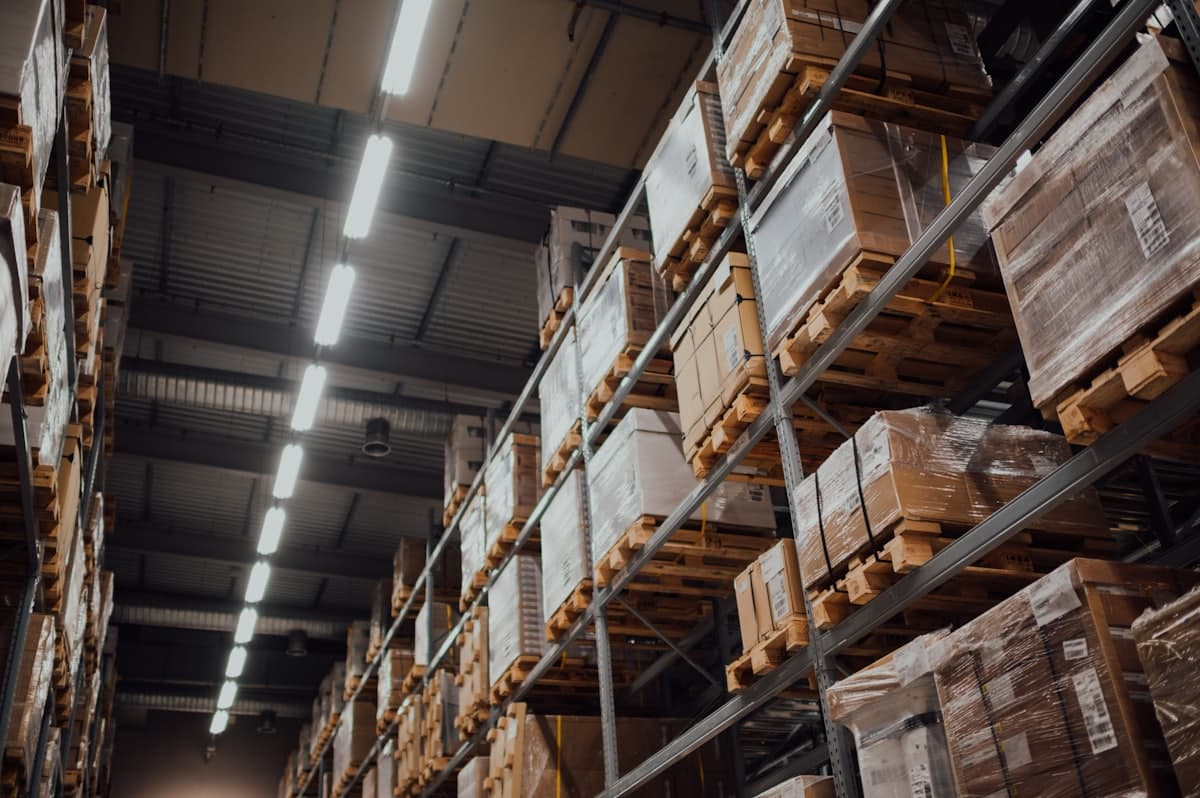
- Storage or cross docking can absorb timing mismatches between orders
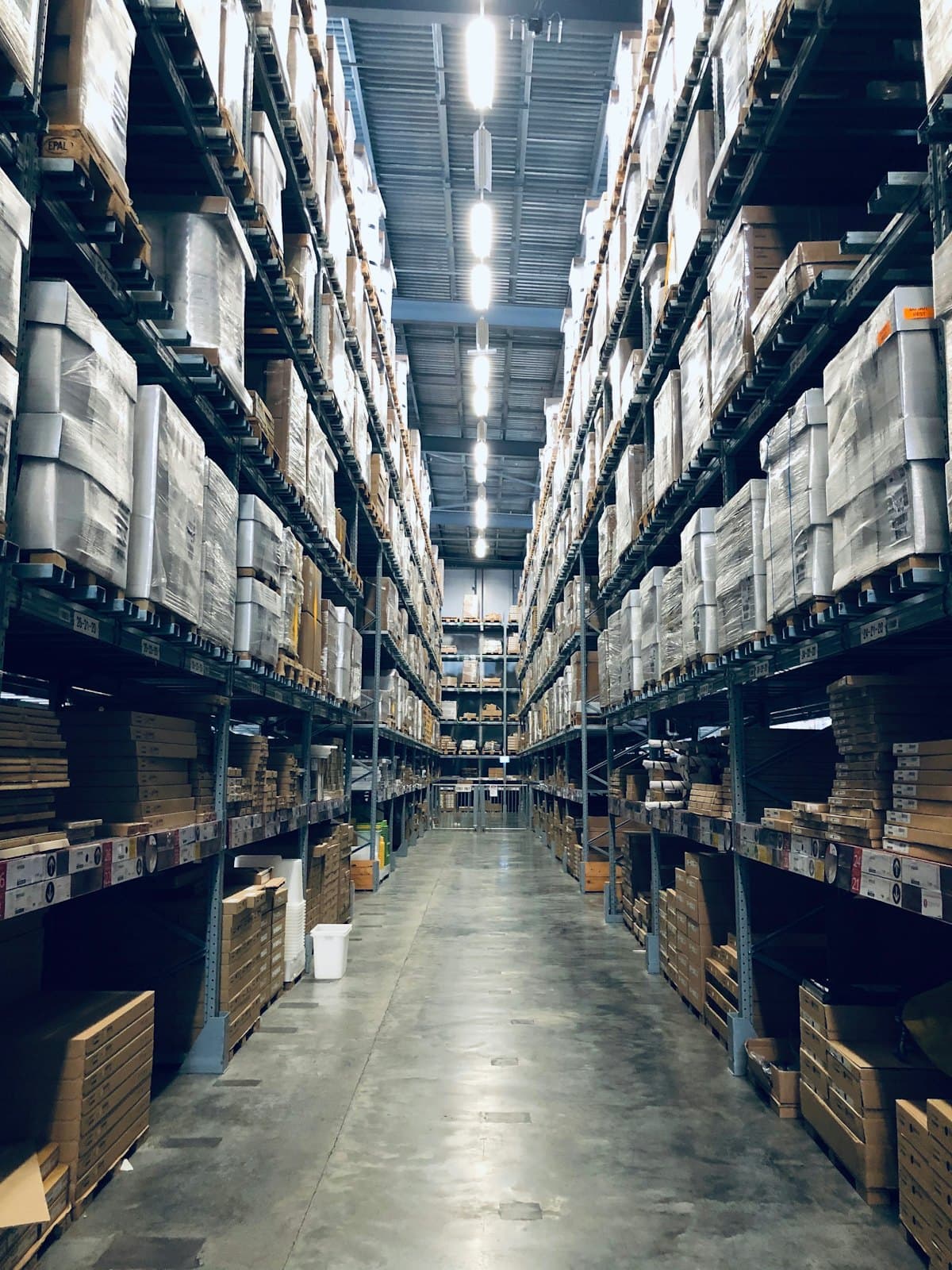
What shippers in this sector ask before the first booking. If yours is not here, call dispatch and ask.
Compare cost per pallet rather than cost per load. LTL wins at low pallet counts and loses steeply as a shipment takes up more of a trailer; the crossover is usually around ten pallets, but freight class and lane both move it.
That is exactly what cross docking is for, and on repeating lanes it is often cheaper than paying two or three LTL rates for the same freight. Send the pattern and we will tell you whether it pays.
Yes. Whether that is storage or a cross dock depends on how long, and the answer changes the price meaningfully, so it is worth settling before the freight arrives.

Have freight to move? Let’s get it moving.
Tell us what you are shipping, where it is going, and when it needs to move. We will take it from there.