
DG
Hazmat and Dangerous Goods Transport
Regulated freight moved on carriers certified to carry it, with the placarding, documentation and driver certification the class requires.
Dangerous goods are not a surcharge on an ordinary load; they are a different shipment. The carrier needs certification for the class, the driver needs current training, the trailer needs correct placarding, and the paperwork has to match what is actually on it. Klutch matches the shipment to a carrier approved for that class and confirms the documentation before dispatch, including on cross-border moves where Canadian TDG and U.S. hazmat rules both apply.
What you get
- TDG and U.S. hazmat compliant carriers
- Correct placarding and documentation
- Drivers certified for the hazard class
- Cross-border dangerous goods handled
Reach for it when
- The commodity carries a UN number and a hazard class
- Shipping paint, chemicals, batteries, aerosols or compressed gas
- A receiver requires documented TDG compliance
- The load crosses the border and must satisfy both regimes
What we need to quote it
- UN number, proper shipping name and hazard class
- Packing group, and quantity per package
- The safety data sheet for the commodity
- Pickup and delivery locations, and any site restrictions
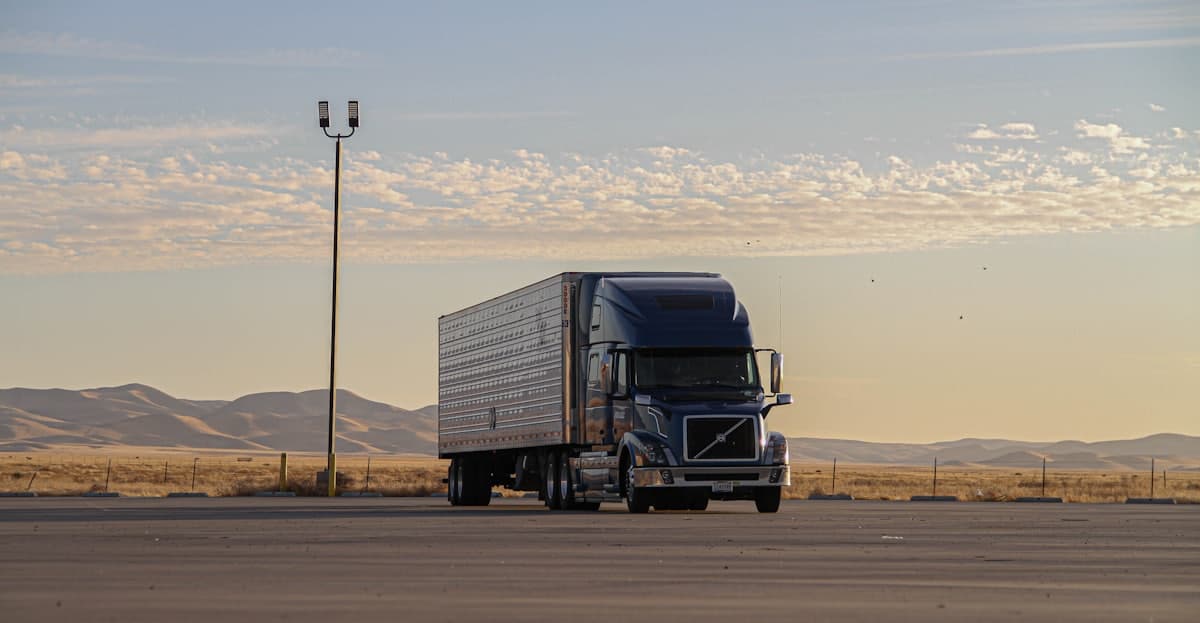 FTLFull TruckloadDedicated trailer capacity for shipments that fill a trailer, or that need to travel direct with no transfers along the way.
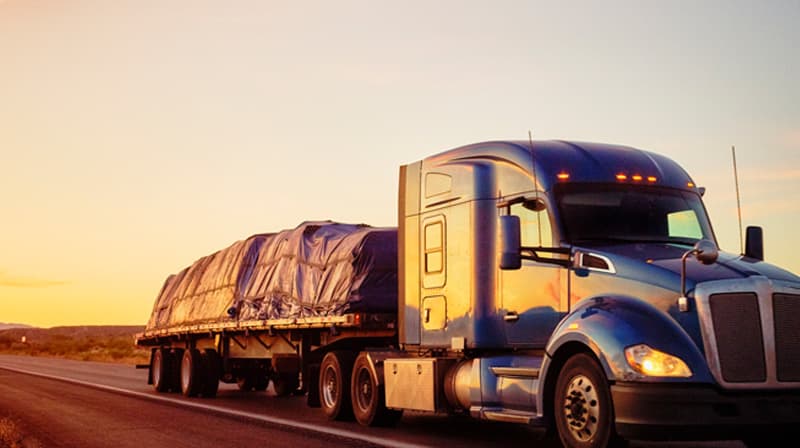 DECKFlatbed / SpecializedFlat deck, step deck and specialized equipment for building materials, machinery, and freight that will not fit a dry van.
 CA/USCross-BorderCanada to U.S. and U.S. to Canada moves, coordinated with the carrier and your customs broker so paperwork is ready at the line.
The questions shippers ask before booking this service. If yours is not here, call dispatch and ask.
Classification under Canada's Transportation of Dangerous Goods regulations, or the equivalent United States rules. It covers far more than the obvious: aerosols, lithium batteries, paints, adhesives, some cleaning products and many automotive fluids are all regulated.
The UN number, the proper shipping name, the class and the packing group, plus the safety data sheet. Those decide the placarding, the documentation, and which carriers and drivers can legally take the load.
The shipper. We make sure the carrier, the driver and the paperwork are rated for what has been declared, but the classification and the safety data sheet come from you, and an incorrect declaration is a serious matter rather than an administrative one.
Yes, with the documentation each side requires. Build in more lead time than a general-freight load: hazmat paperwork is examined more closely, and an error stops the truck rather than being corrected in transit.

Have freight to move? Let’s get it moving.
Tell us what you are shipping, where it is going, and when it needs to move. We will take it from there.