Industries
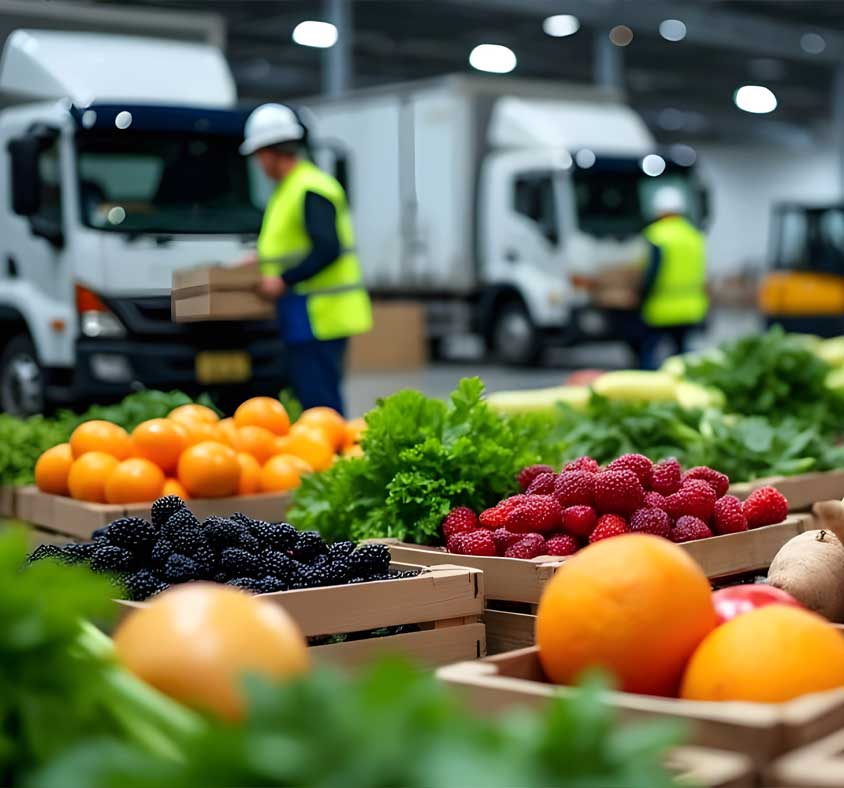
Refrigerated Freight for Food and Beverage
Food and beverage freight is graded twice: once on time and once on temperature. A load that arrives inside its window at the wrong set point is a rejected load, and a load at the right set point that misses its appointment can sit until the next opening with the shelf life still running down.
Food & Beverage freight profile
Typically ships
Refrigerated and ambient product moving from processors and packers to distributors, grocery and food service.
What tends to matter
Temperature integrity and delivery appointments. Receivers hold firm windows, and a missed slot can mean the load waits until the next day with the clock still running on the product.
- Typical mode
- Refrigerated truckload and LTL
- Equipment
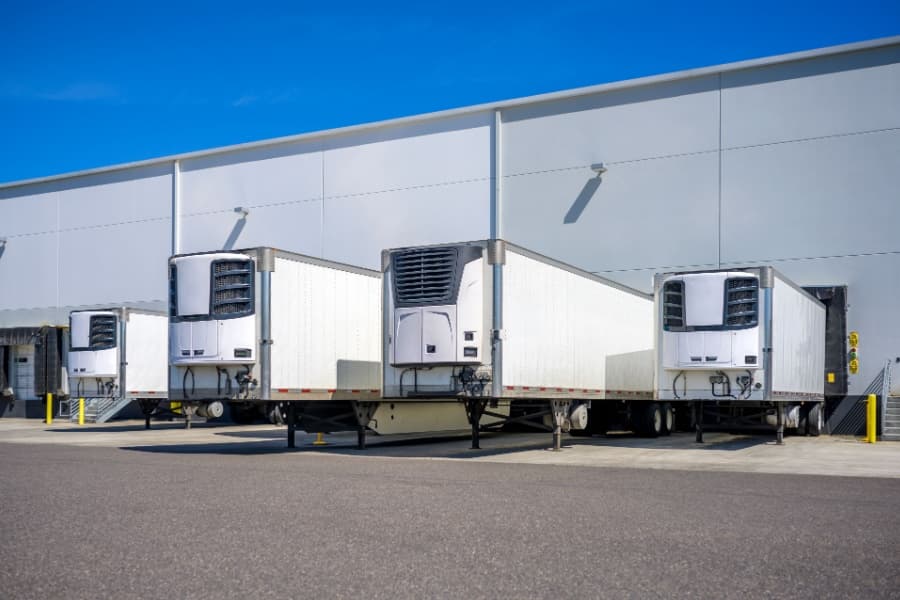
- Reefer, occasionally dry van for ambient
- Handling
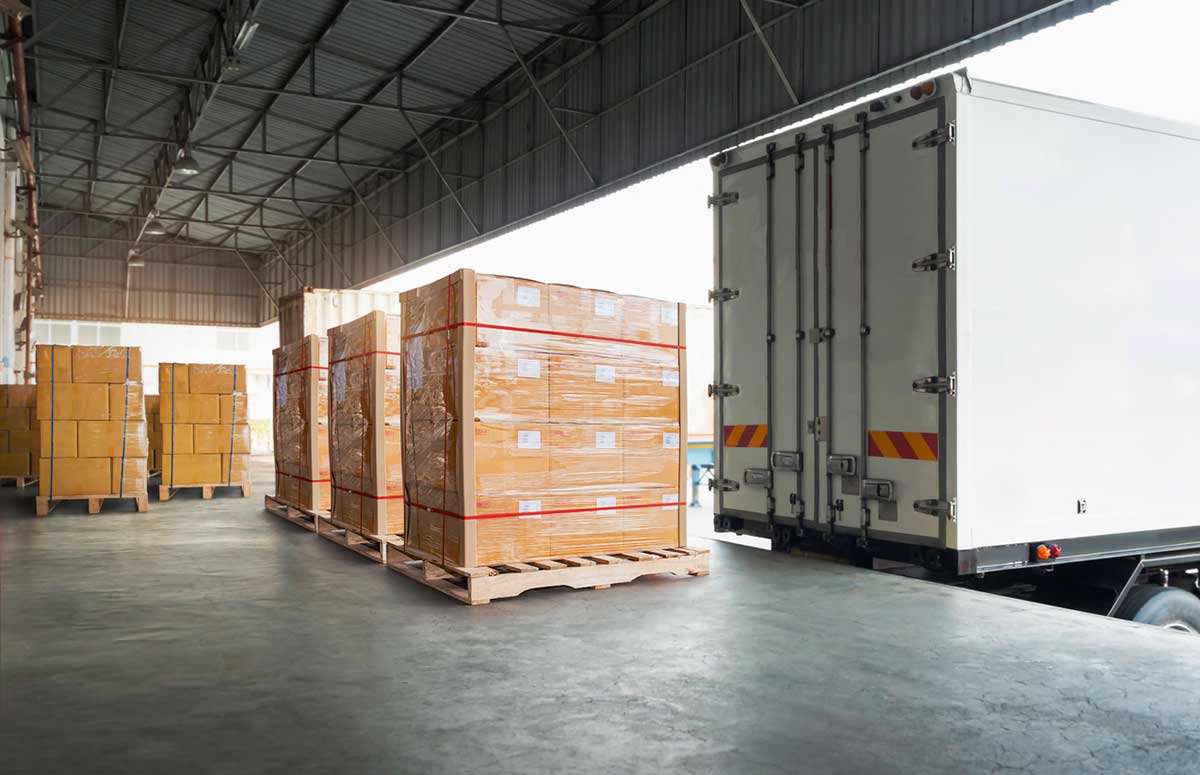
- Palletized, temperature recorded end to end
- What sets the schedule
- Receiver appointments and shelf life
The same sector covers very different shipping problems. These are the ones we see most, and the part of each that tends to decide how a load is planned.
- 01
Processors and packers
Product leaving the plant at temperature, usually in volume and usually to a distribution centre with a firm appointment. The set point is fixed before the trailer is loaded.
- 02
Distributors and wholesalers
Mixed pallets moving out to grocery, restaurants and institutions. More stops, smaller drops, and the schedule matters as much as the temperature.
- 03
Grocery and retail delivery
Into receivers that publish appointment rules and enforce them. Compliance paperwork is part of the delivery, not an afterthought.
- 04
Food service and hospitality
Frequent, smaller shipments on a tight rhythm. Reliability week to week is worth more here than the rate on any single load.
The things that decide whether a load in this sector lands well, and the details worth settling before it is booked rather than after.
- Set point and pre-cooling have to be agreed before the trailer is loaded, not at the dock
- Grocery and food service receivers hold firm appointments and enforce them
- Temperature records are part of the paperwork, not an extra
- Mixed ambient and refrigerated freight needs the trailer planned around it
What shippers in this sector ask before the first booking. If yours is not here, call dispatch and ask.
Yes, when you ask at booking. Grocery and food service receivers increasingly require them, and arranging them in advance is far easier than reconstructing a trip after a load has been rejected.
Often, but it has to be planned rather than discovered at the dock. Tell us the split and the required temperature and we will work out whether it is one trailer with a bulkhead or two shipments.
That depends entirely on the receiver, and the honest answer is that most will reschedule rather than accept the load late. Which is why the appointment, not the pickup, is what the transit plan is built around.

Have freight to move? Let’s get it moving.
Tell us what you are shipping, where it is going, and when it needs to move. We will take it from there.