The four questions that decide everything
Every freight decision comes back to the same short list. Get these right and the mode, the equipment and the price follow from them.
- How much is it?
- Pallet count and total weight. This is the first fork in the road: below roughly ten pallets you are usually in less-than-truckload territory, above it you are usually in truckload.
- What does it need on the way?
- Temperature control, an open deck, extra securement, hazardous goods handling. Each of these narrows the equipment before price is even discussed.
- When does it have to be there?
- A date, a window, or whenever it gets there. This is what decides whether intermodal is viable, whether a partial load makes sense, and how much slack the plan needs.
- What is at each end?
- A dock and a forklift, or a driveway and two people. This decides whether a liftgate is needed, how long the truck sits, and occasionally whether a 53-foot trailer can get there at all.
LTL or truckload, and where it flips
This is the decision shippers ask about most, and the honest answer is that the crossover moves.
Less-than-truckload shares a trailer with other shippers and moves through carrier terminals. You pay for the space you use, which is the economical answer for small shipments. The cost is handling: LTL freight is loaded, transferred and unloaded several times, and packaging matters far more than it does on a truckload.
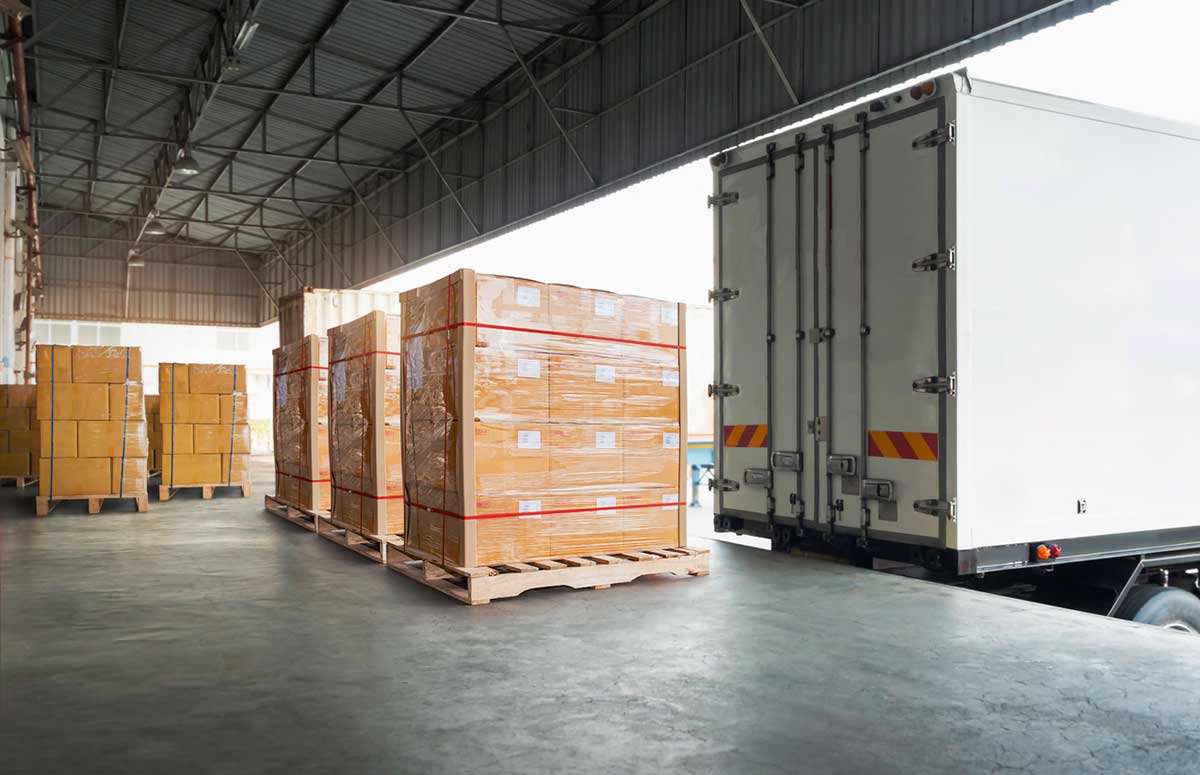
Truckload is your freight alone, direct from pickup to delivery, never transferred. Transit is shorter and there is less opportunity for damage, but you pay for the trailer whether you fill it or not.
The rule of thumb is around ten pallets. Below that, LTL usually wins on cost. Above it, LTL pricing climbs steeply enough that a full trailer is often cheaper as well as faster. But freight class, lane density and how fragile the goods are all move the line, sometimes a long way.
Matching equipment to the load
Once mode is settled, equipment is mostly a matter of what the freight cannot tolerate.
- Dry van
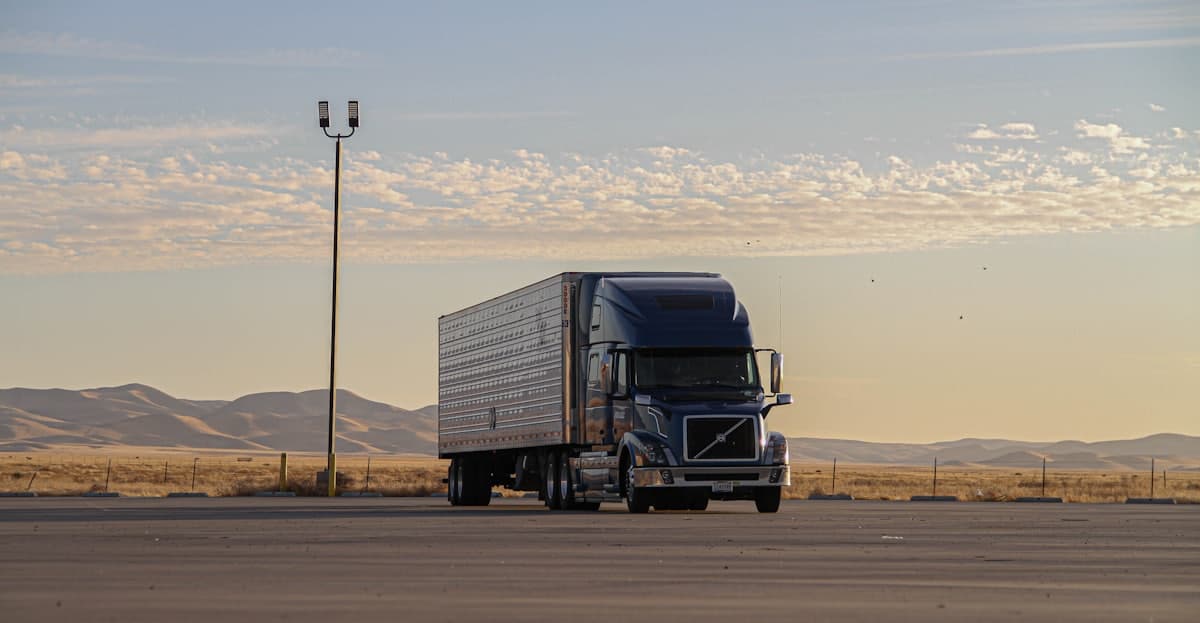
- The default. Enclosed, weather-protected, not temperature-controlled. In a Canadian winter the inside of a dry van reaches whatever the outside is, which matters more often than shippers expect.
- Refrigerated
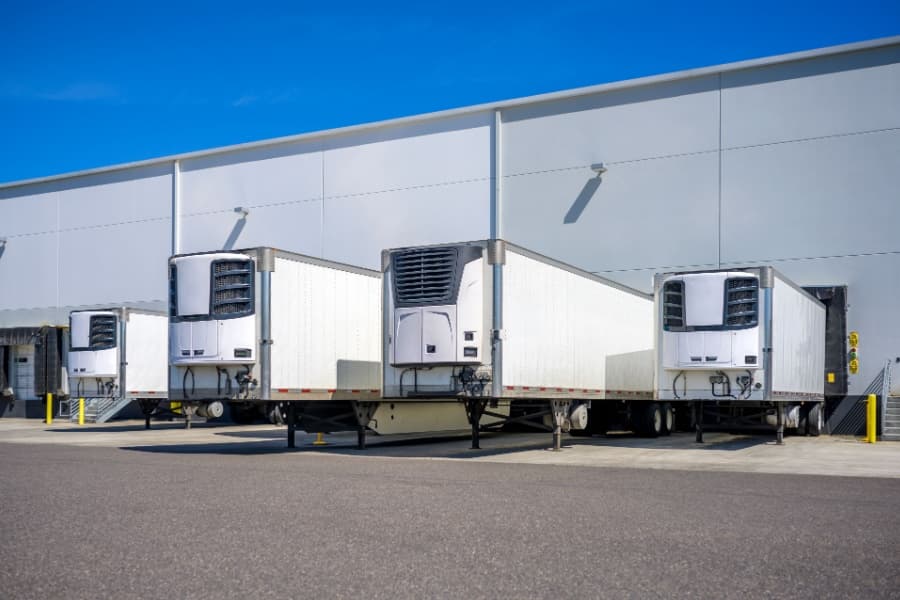
- For anything with a temperature requirement, including freight that simply cannot freeze. A reefer maintains a temperature; it does not bring warm product down to one, so freight has to be pre-cooled before loading.
- Flat deck and step deck
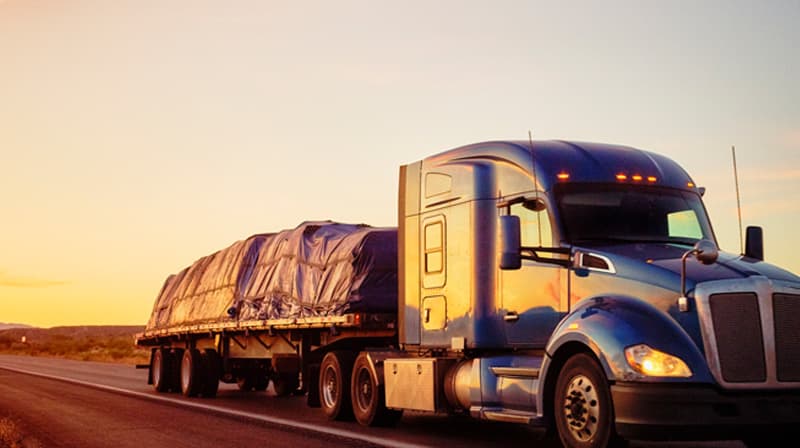
- For loads that will not fit inside a trailer, or that have to be loaded from the side or overhead. Step decks sit lower and buy roughly two more feet of legal height before permits are needed.
- Intermodal
- Containers by rail on the long haul, trucks on each end. Cheaper over long distances, slower, and tied to rail schedules. Suits freight with a delivery window rather than a delivery date.
Freight class, and why the invoice changed
On LTL shipments, freight class is the rating that determines a large part of the price. It is calculated from density, stowability, handling difficulty and liability, and it is where most unexpected invoices come from.
Carriers reweigh and re-measure freight in their terminals. If the dimensions or weight on the bill of lading do not match what the scale says, the shipment is reclassified and re-invoiced, usually upward. This is not a carrier being difficult; it is the system working as designed.
The fix is unglamorous and completely effective: measure the pallet as it will actually ship, including the pallet itself and anything overhanging, weigh it, and put the real numbers on the paperwork.
Accessorial charges, explained plainly
Accessorials are charges for work beyond driving from A to B. They are not hidden fees; they are the cost of things that take a driver's time or require equipment, and almost all of them can be quoted up front if they are known up front.
- Liftgate, where there is no dock or forklift at one end
- Inside delivery, where the freight has to go past the threshold
- Residential pickup or delivery, which is slower and needs a different truck
- Appointment scheduling, where a receiver requires a booked slot
- Detention, where the truck waits beyond the free loading time
- Tarping, on flat deck loads that cannot get wet
- Redelivery, where the first attempt could not be completed
What a freight quote actually needs from you
A quote built on complete information is a price. A quote built on partial information is an estimate that changes later, which helps nobody.
- Pickup and delivery postal codes, and whether either is residential
- Commodity, in plain language specific enough to classify
- Total weight, and pallet count or dimensions per pallet
- The ready date, and whether delivery is a date or a window
- Temperature requirements, if any, including whether the freight must not freeze
- What is at each end: dock, forklift, both or neither
- Anything regulated: dangerous goods, food, alcohol, controlled products