Industries
Automotive Freight: Parts, Assemblies and Dealer Stock
Automotive freight is unforgiving about order. Parts that arrive late, or in the wrong sequence, do not simply wait; they hold up a build or a service bay that was booked around them. That makes tracking visibility worth more here than in sectors where a day either way gets absorbed.
Automotive freight profile
Typically ships
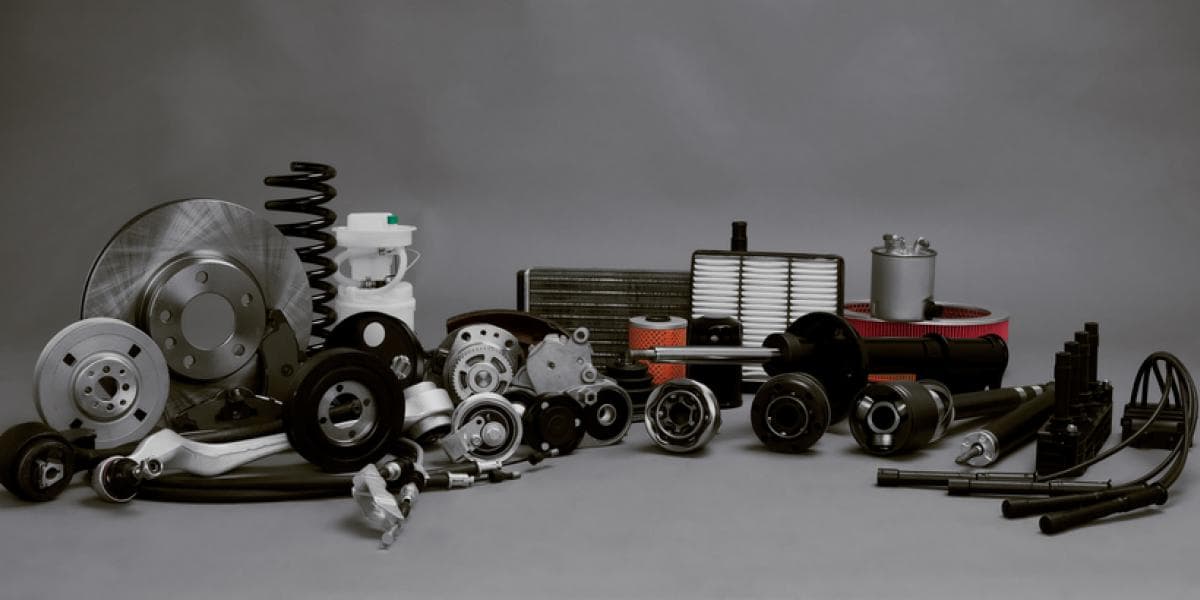
Parts, assemblies, aftermarket product and dealer stock moving between suppliers, warehouses and dealerships.
What tends to matter
Sequence and timing. Parts arriving out of order or late cascade straight into a service bay or a build schedule, so tracking visibility earns its keep.
- Typical mode
- Truckload, LTL, intermodal on long hauls
- Equipment
- Dry van; racking and returnables common
- Handling
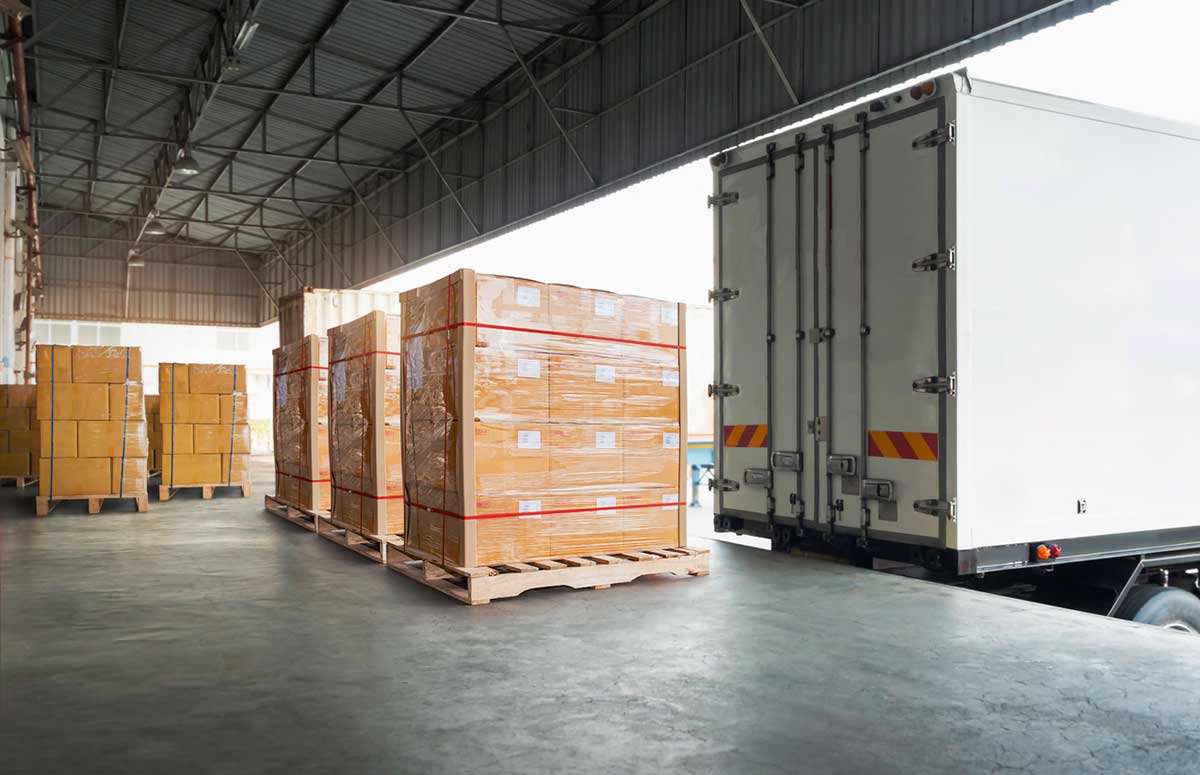
- Sequenced, often on returnable packaging
- What sets the schedule
- Build schedules and service bookings
The same sector covers very different shipping problems. These are the ones we see most, and the part of each that tends to decide how a load is planned.
- 01
Tier one and tier two suppliers
Parts moving to assembly on a schedule measured in hours. Sequence is as important as arrival date, and returnable racking usually has to travel back.
- 02
OEM and assembly plants
High-volume inbound against a build schedule, with receiving windows that do not move. This is the least forgiving freight in the sector.
- 03
Aftermarket and parts distribution
Smaller, more frequent shipments to warehouses and jobbers. Steadier than production freight and far more suited to LTL and consolidation.
- 04
Dealerships and service networks
Parts to a service bay that has already been booked around them. A late delivery is measured in downtime, not in freight dollars.
The things that decide whether a load in this sector lands well, and the details worth settling before it is booked rather than after.
- Sequence matters as much as arrival date
- Aftermarket and dealer stock move on a different cadence than production parts
- Returnable packaging and racking often has to travel back
- A missed delivery is measured in downtime, not in freight dollars

What shippers in this sector ask before the first booking. If yours is not here, call dispatch and ask.
Yes, and it needs planning into the lane rather than treating as an afterthought. The empties going back are a shipment of their own, and pricing the lane without them is how the cost gets misjudged.
By planning it as a sequence rather than as a set of loads, and by keeping the tracking visible so a problem is known while there is still time to react to it. Tell us the sequence at booking, not at pickup.
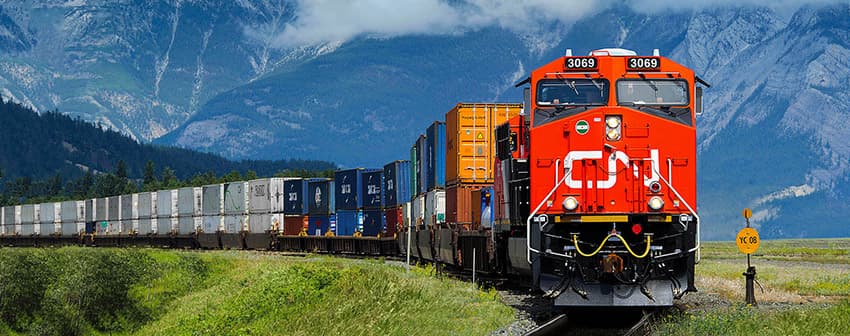
On long hauls with a delivery window rather than a delivery hour, often yes. For anything feeding a build schedule directly, the schedule rigidity of rail usually rules it out.

Have freight to move? Let’s get it moving.
Tell us what you are shipping, where it is going, and when it needs to move. We will take it from there.