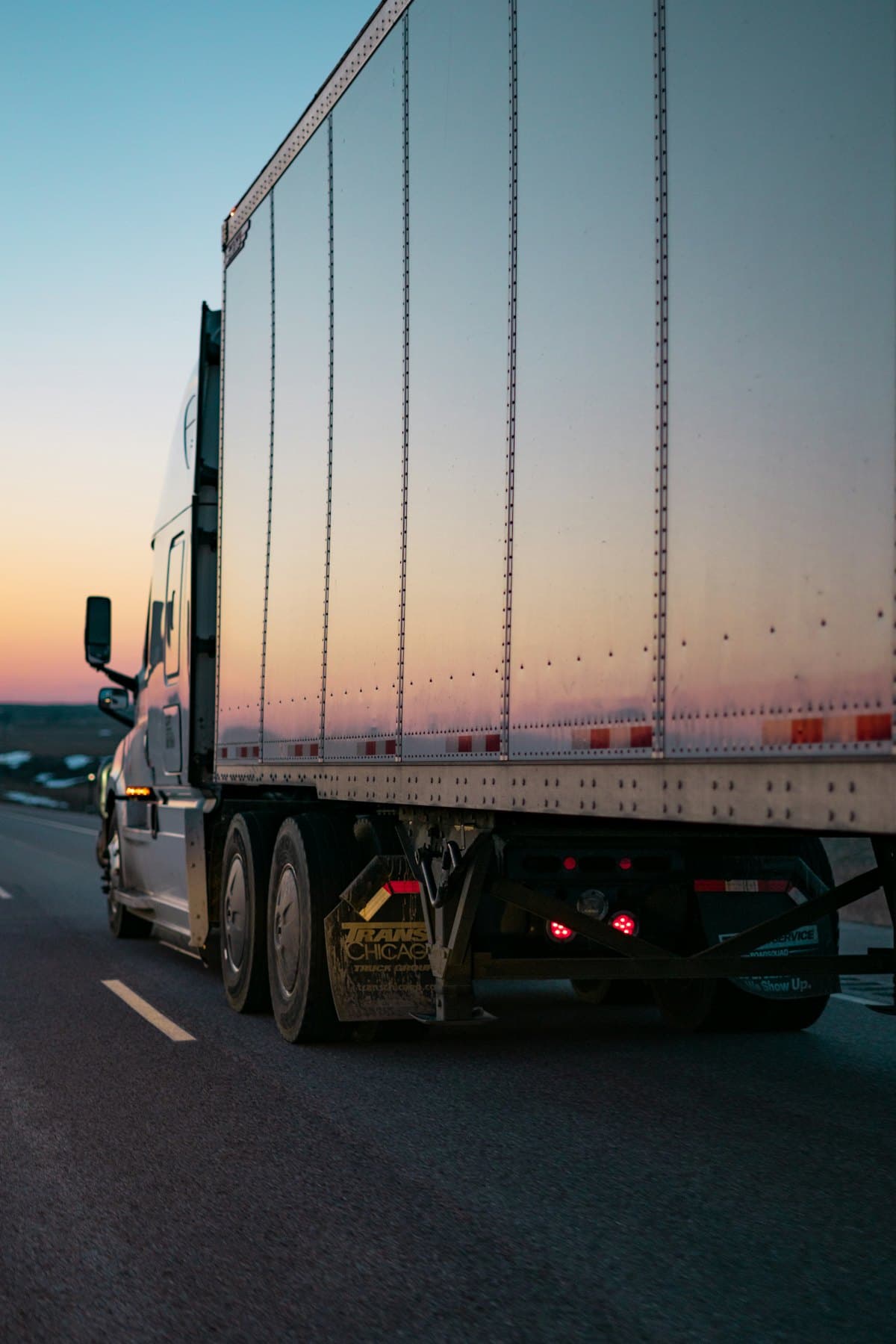
Why B.C. freight is different
Most freight planning in Canada is about distance and appointments. In British Columbia there are two extra variables, and both of them are terrain.
The first is the mountains. There is no flat route east. Highway 1 through the Fraser Canyon, the Coquihalla, and the Okanagan Connector all climb hard within a couple of hours of the Lower Mainland, and between roughly November and March any of them can close with very little notice. A transit estimate out of B.C. that does not account for winter is not an estimate, it is a hope.
The second is the border. British Columbia's population and industry sit within an hour of Washington State, which makes southbound freight unusually easy compared with the rest of the country, and makes cross-border capability a routine requirement rather than a specialty.
The lanes, and what they actually involve
Four corridors carry most of what leaves the province. They behave very differently.
- B.C. to Alberta
- The busiest corridor out of the province and the one with the most capacity. A day to a day and a half of driving to Calgary or Edmonton under normal conditions. Winter is the whole risk here: the passes decide the schedule between November and March, and a load that has to arrive on a date wants a day of slack in it.
- B.C. to Saskatchewan and Manitoba
- Two to three days. Capacity thins as you move east across the prairies, and backhaul availability shapes the rate more than the distance does. Booking a few days ahead makes a material difference on these lanes in a way it does not on the Alberta run.
- B.C. to Ontario and Quebec
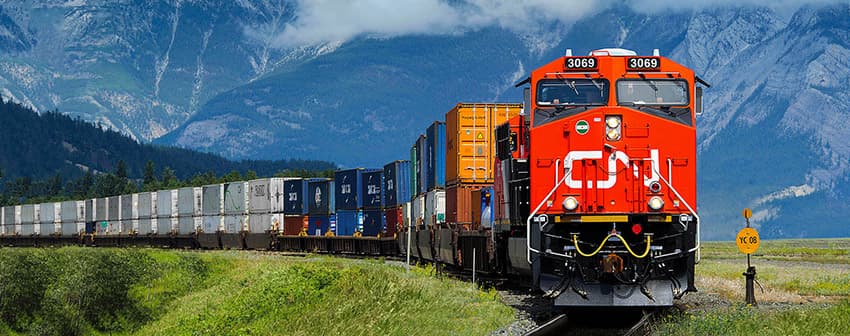
- Four to five days of driving, governed by hours-of-service rules rather than by how fast a truck can go. This is the lane where intermodal is worth pricing against truckload, because the rail leg costs less and the transit difference narrows on a run this long.
- B.C. to the United States
- Washington and Oregon are same-day or next-day. California is two to three days. The eastern seaboard is a transcontinental run. On all of them the border is a scheduled event rather than a delay, provided the paperwork was filed in advance.
Winter, and how to plan around it
From late autumn to early spring, the passes are the dominant variable in any eastbound shipment out of British Columbia. Chain-up requirements, winter tire regulations and outright closures are all routine, and none of them are predictable more than a day or two out.
The practical response is not to avoid winter shipping. It is to stop treating the transit estimate as a promise and start building the delivery commitment around the weather rather than despite it.
- Add a day of slack to any eastbound delivery commitment between November and March
- Book earlier than you would in summer; capacity tightens when a pass closes and everyone reschedules at once
- Say at booking whether the load has a hard date or a delivery window, because they are planned differently
- For freight that genuinely cannot be late, price intermodal against truckload rather than assuming a truck is faster
- Expect temperature-sensitive freight to need heat, not just cooling, on eastbound winter runs
Shipping from the Lower Mainland and the Fraser Valley
Within the region, where a shipment starts changes how it should be planned more than most shippers expect.
Out of the Fraser Valley, the border is close and the highway east starts immediately. Out of Vancouver, the port is the dominant feature and city access is the dominant constraint. Between them, Surrey and Langley have the best of both and the traffic of neither.
Each of these has its own page with the local detail, and they are worth reading if your pickup is there.
Seasonality, beyond the weather
British Columbia freight has a second seasonal pattern that has nothing to do with snow. The Fraser Valley is one of the most intensive agricultural regions in the country, and when a crop comes in, regional capacity tightens sharply for everyone, not just for the growers.
Berry harvest, greenhouse peaks and the produce season put a large amount of refrigerated freight on the road inside a short window. If your shipping runs through those months and your freight has nothing to do with agriculture, you will still feel it in rates and availability.
The response is the same as for winter: book earlier than feels necessary, and have the conversation before the season rather than during it.
What a B.C. shipment needs to be quoted properly
The generic list applies, but two additions matter specifically here.
- Pickup and delivery postal codes, commodity, weight and pallet count or dimensions
- The ready date and, separately, whether delivery is a date or a window
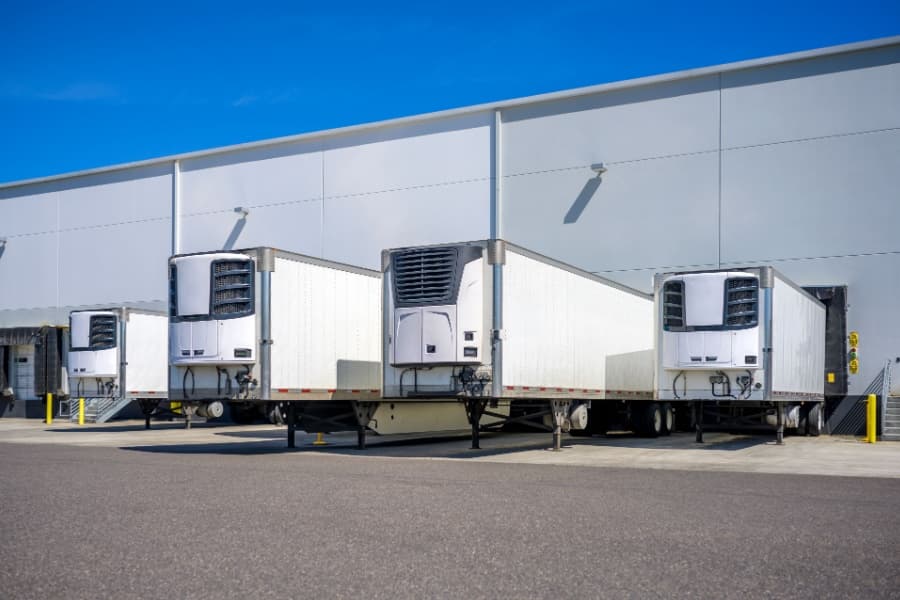
- Whether the pickup is dock-height or yard-level, because a great deal of Fraser Valley freight is not on a dock
- For eastbound winter loads, how much schedule risk you can absorb, because that decides mode as much as rate does